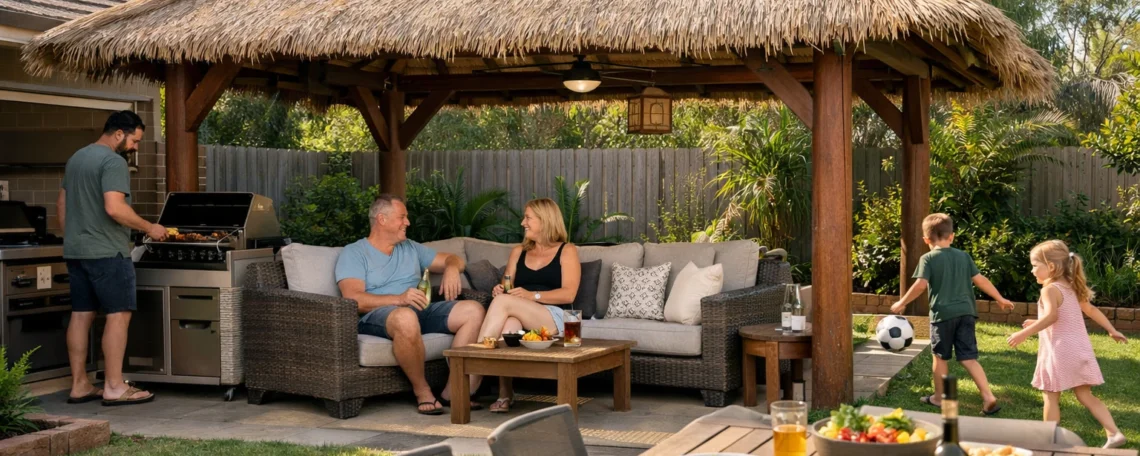
Outdoor structures let families use their backyards year-round rather than only on perfect weather. They also get you covered with spaces for cooking, relaxing, and hosting friends, regardless of the conditions outside.
This way, Bali huts and similar outdoor living structures are changing how Australian families think about their outdoor spaces. Plus, more homeowners are seeing their backyards as extensions of their living areas, somewhere they’ll spend every weekend.
This guide covers which outdoor structures get the most use, how to plan your space without overspending, and what materials hold up in Australia’s climate. You’ll also see why Bali huts and similar options make sense for your lifestyle and budget.
Keep reading to find out which setup works best for your backyard.
Outdoor Living Structures That Actually Get Used
Have you ever noticed how some backyard additions sit empty while others become the heart of family life? Well, the structures people use most often share a few things in common. They offer real weather protection, they’re positioned where you already spend time, and they don’t require constant upkeep.
And since different outdoor structures work for different needs, it’s helpful to know what each one brings to the table.
Bali Huts for Year-Round Comfort
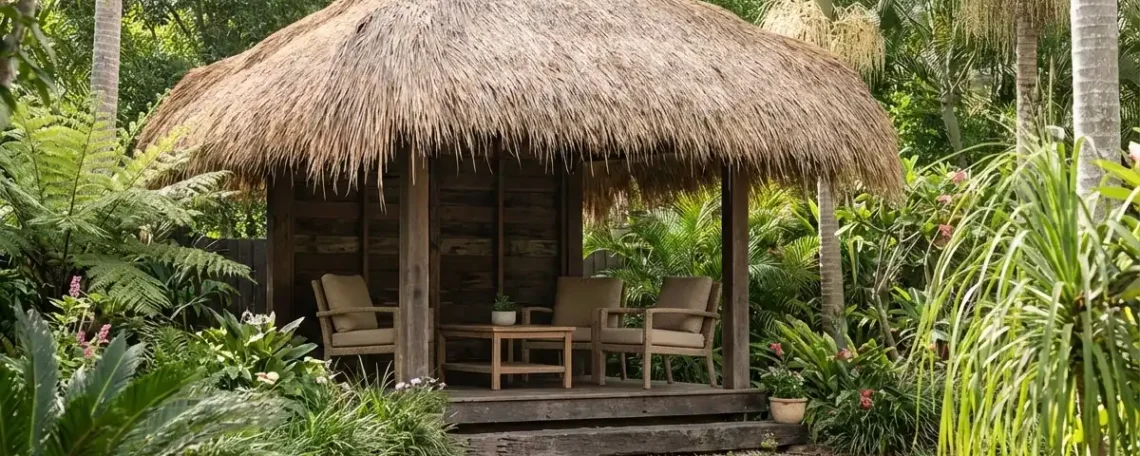
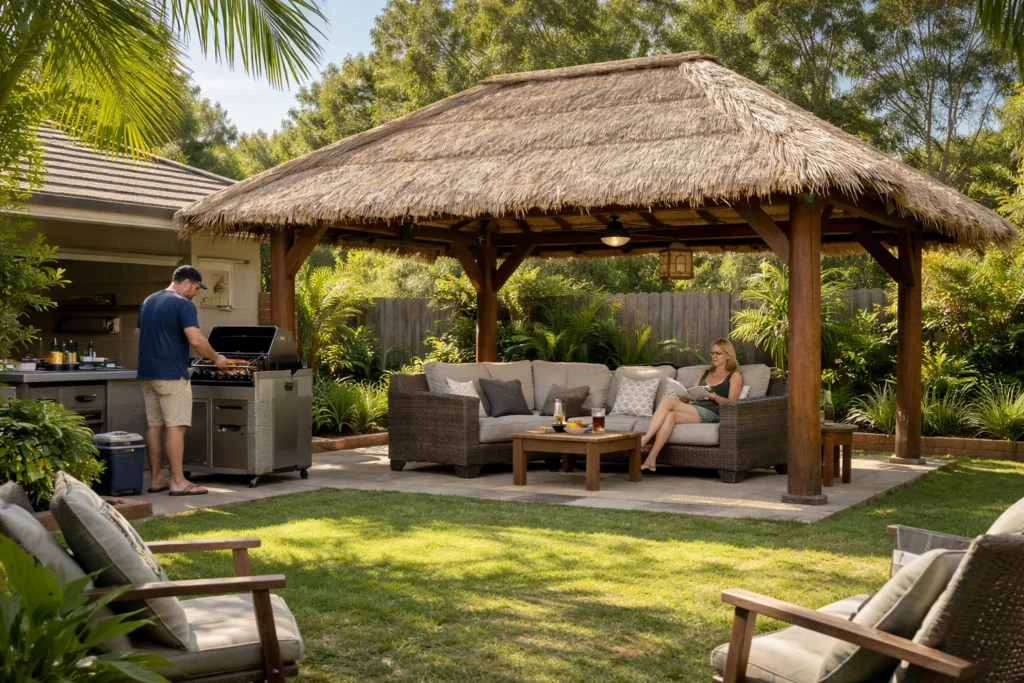
One of the biggest advantages of Bali huts is their ability to withstand Australian weather conditions. The thatched roofs provide shade and drop temperatures by up to 10 degrees during summer. Drawing from our experience with hut installations, we’ve seen families use these huts daily during peak heat.
Besides, the 30-degree pitch design of these huts channels rain off quickly, so your outdoor space stays dry even during heavy downpours. And such quality thatch from reputable suppliers lasts 15-20 years with minimal fuss.
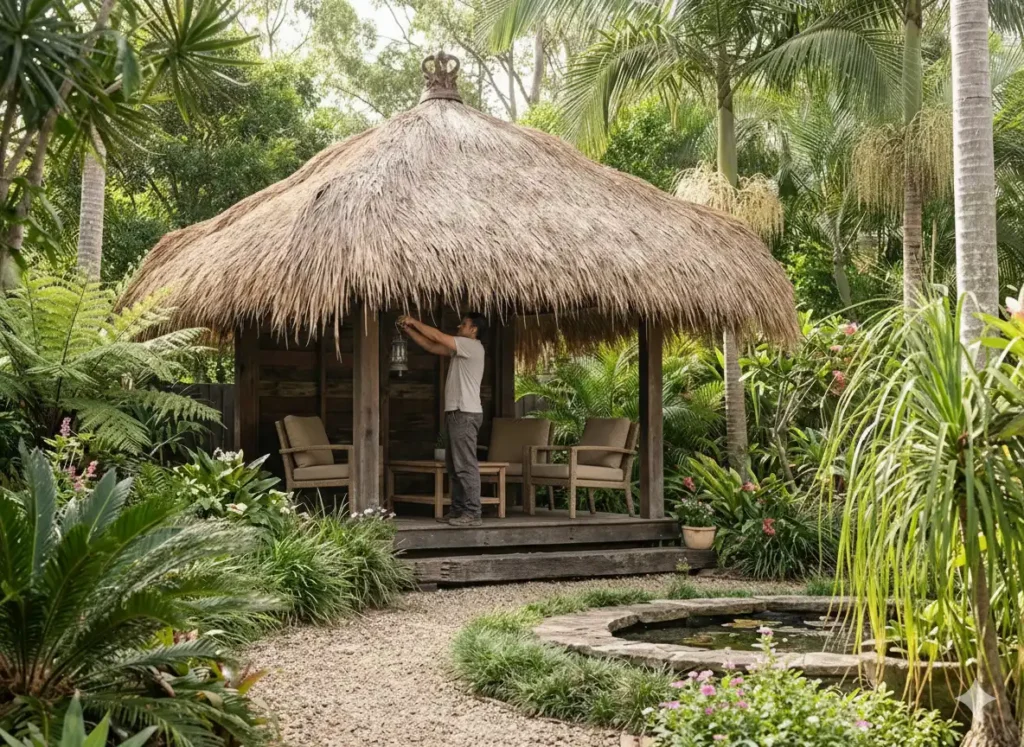
These huts also create a relaxed, tropical feel in residential backyards without looking out of place.
This way, providing shade while keeping air flowing underneath makes them comfortable spots for afternoon barbecues or weekend reading.
Pergolas and Pavilions
Generally, pergolas suit dining areas where you want filtered light and decent airflow. Plus, its open roof design lets you grow climbing plants for extra shade if you’re after more coverage.
Meanwhile, gazebos and pavilions provide solid roof protection for outdoor kitchens and lounges. Both styles fit well with Australian architecture and blend into existing patio designs.
A covered verandah-style structure near your back door also makes it easy to duck outside with food or drinks.
Quick tip: When you explore options, look for materials that are built to handle UV exposure and humidity levels.
Creating Outdoor Spaces That Feel Like Extra Rooms
The best part about proper planning is that you end up with a backyard behind your house where every zone serves a purpose. Because when you set up distinct areas for cooking, dining, and relaxing, people use the space more often. It’s about giving each activity its own spot.
Now, let’s look at how these structures work in your space:
Zoning Your Backyard for Different Activities
You can divide your outdoor space without overcomplicating things like this:
- Separate Cooking from Relaxation: Use pathways or low garden beds to create clear boundaries. Then position your patio or deck near the kitchen door for easy access when carrying food outside.
- Watch the Sun Patterns: Check where sunlight hits throughout the day before picking a location for your Bali huts or gazebo. Because morning sun works well for breakfast areas, but harsh afternoon sun from the west can make spots unbearable (and yes, we’ve all been there).
- Create Multiple Zones: Use one covered section for dining and another open space for kids to play. This keeps activities from clashing and gives everyone room to spread out during family gatherings.
Once you’ve sorted your zones, the focus shifts to keeping everyone comfortable.
Weather Protection That Works
You might be wondering how much protection you really need. Well, it depends on how often you’ll use the space during our unpredictable seasons.
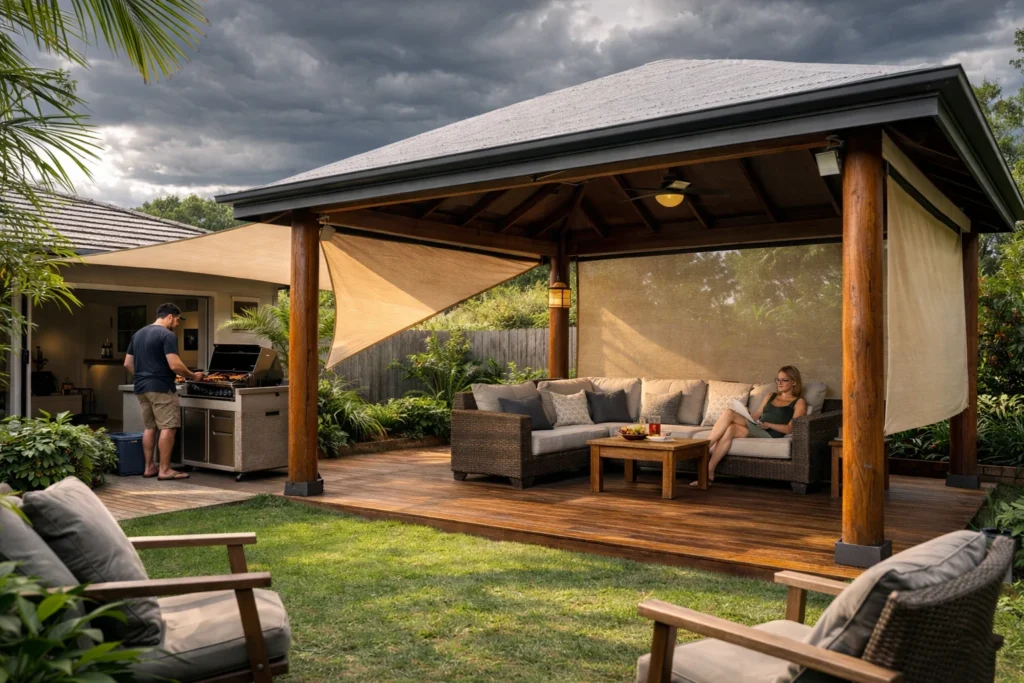
Usually, a built-in waterproof roofing feature keeps furniture dry when storms roll in unexpectedly. Side panels or shade sails block harsh afternoon sun from western exposure in your backyard design. Plus, treated timber posts on Bali huts and similar structures resist moisture damage from humidity and rain over the years.
When you’re planning your outdoor living space, think about which direction the weather usually comes from. Then, position your deck or patio in the opposite direction to take advantage of natural protection from your house or existing landscaping.
Sometimes, a well-placed gazebo near garden beds can create a microclimate for year-round comfort.
Why Aussie Families Are Investing in Outdoor Living
Aussie families are investing in outdoor living because they want more living space without the hassle and cost of home extensions. In that context, adding outdoor living areas gives you extra square metres where you’ll spend real time with your family and friends.
From there, the next step is understanding what makes these investments worthwhile.
More Space Without the Renovation Stress
Believe it or not, adding a Bali hut or gazebo costs less than extending your house or building new rooms. On top of that, installation takes days rather than months compared to traditional home extensions (most families can’t handle months of disruption).
The advantage shows up in your property value, too. For instance, homeowners in Perth and other cities are seeing returns when they add quality outdoor living areas.
A well-built structure becomes part of your daily life instead of sitting unused. Besides, the benefits go beyond finances when you consider how much time families spend in these areas during summer evenings and cooler months.
Entertaining Gets Easier
You can notice these changes when you add a proper outdoor living space:
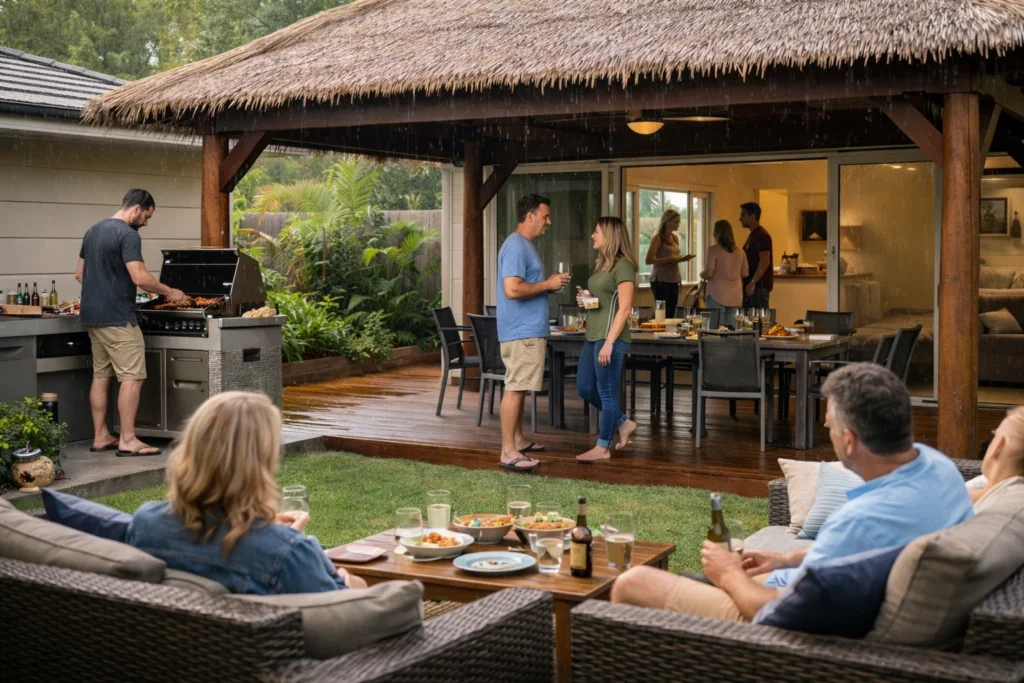
- Weather-Proof Hosting: Covered areas let you host barbecues regardless of conditions. Plus, your patio or deck becomes usable even when rain threatens in the afternoon.
- Natural Flow During Gatherings: Guests spread between indoor and outdoor zones during parties. This creates a relaxed vibe where people move around instead of clustering in your kitchen.
- Less Indoor Traffic: Outdoor kitchens reduce the range of movement through your main house when cooking for crowds. That’s why set up your entertaining area near the deck or gazebo for easy access to seating.
In short, you’ll host parties more often when the setup makes it easy.
Planning Your Outdoor Living Space Without Overspending
What if you could upgrade your backyard without blowing the budget on fancy features you’ll rarely use? Well, it’s possible, and this approach involves starting small and building from there.
Planning doesn’t always have to mean hiring expensive consultants or committing to a massive project upfront. But if you’re unsure where to begin, read the following subsections for a clear starting point:
Start With One Structure
These three steps help you start with one structure and build an outdoor space that feels practical from day one:
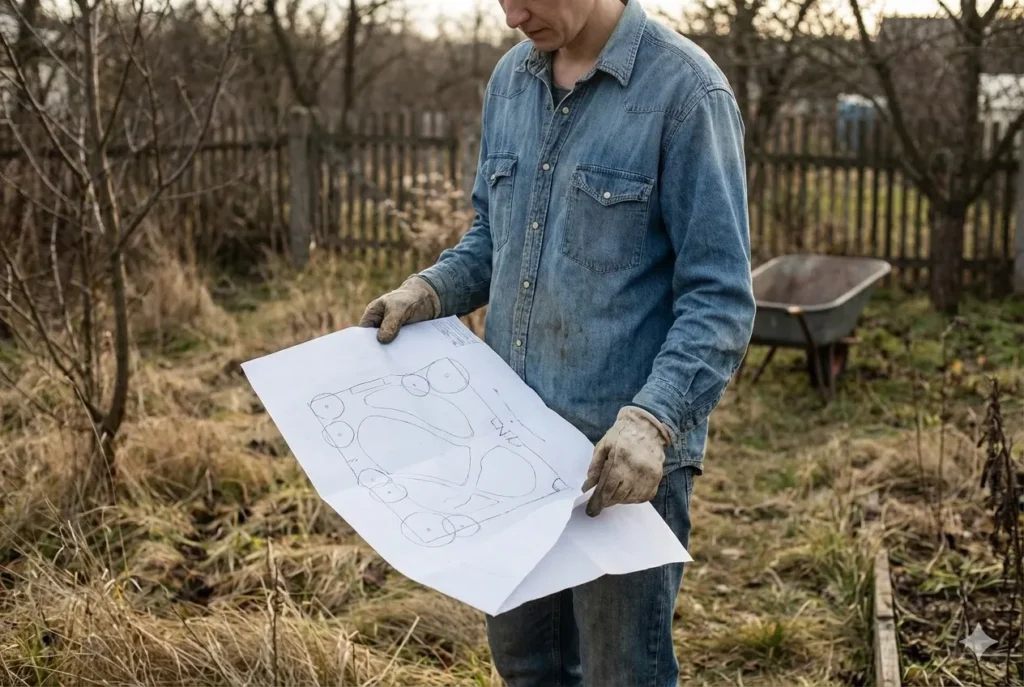
Step 1: Pick the location where your family already spends time. If you’re always near the back deck during weekends, put your Bali hut or gazebo there instead of some random corner.
Step 2: Choose a design for multiple activities like dining, relaxing, and hosting mates. Because a quality patio structure with good coverage suits more needs than something built for just one purpose.
Step 3: Get your main structure and basic furniture sorted first. Then add accessories, lighting, and storage options over time rather than buying everything at once. This spreads the money out and lets you adjust your vision as you see what works.
Suggestion: When you’re expanding your outdoor space, think about installation requirements before you commit.
Materials That Last in Australian Conditions
Here’s what works best for different parts of your outdoor structure:
| Material Type | Lifespan | Best For |
| Treated Plantation Pine | 20+ years | Posts and beams |
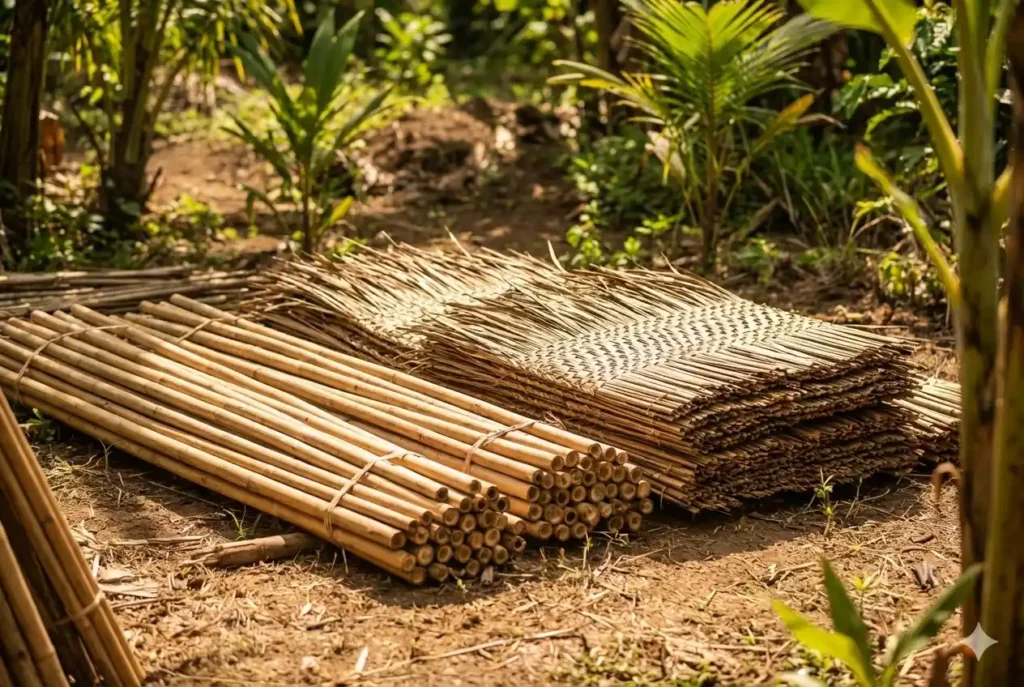
| Quality Thatch | 15-20 years | Bali hut roofing |
| Composite Decking | 25+ years | High-traffic areas |
Verdict: Plantation pine with proper treatment handles our climate better than cheaper softwoods (cheap materials fade within two summers).
When you’re picking materials for your project, ask the company about their experience with residential installations in your area. It’s because a team familiar with local conditions will give you better advice than generic market recommendations.
Most importantly, contact suppliers who offer proper warranties on their huts and gazebos, and check if assembly is included in the installation cost.
Ready to Upgrade Your Backyard?
Your backyard can become the space where your family spends most of their time. Bali huts and other outdoor living options give you the coverage and comfort to use these areas year-round. Plus, the right setup fits your lifestyle without draining your budget.
Discover what works for your outdoor space by looking at quality structures built for Australian conditions. When you explore options with the perfect fit in mind, you’ll find inspiration comes easier.
Georgia Wiseman specialises in Bali huts designed for our climate. Our team works with customers to create dream outdoor areas where families spend real time together.
Contact us to discuss your project and focus on building something you’ll use for decades.