Author Archives: Dwayne Gastelum

What to Look for in a High Quality Bali Hut

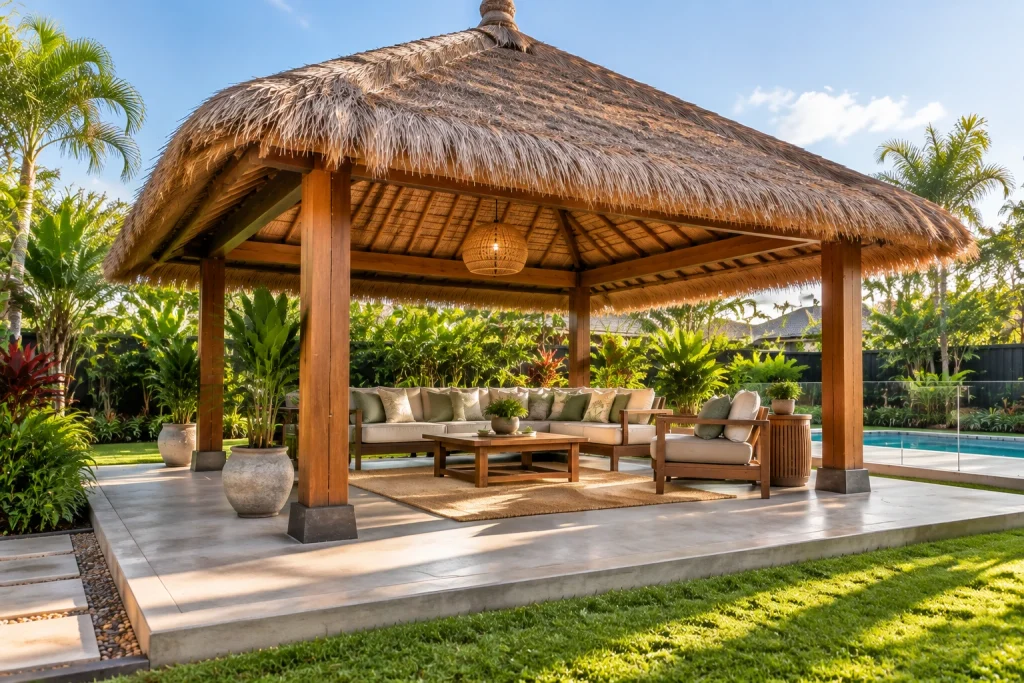
A Bali hut of high quality

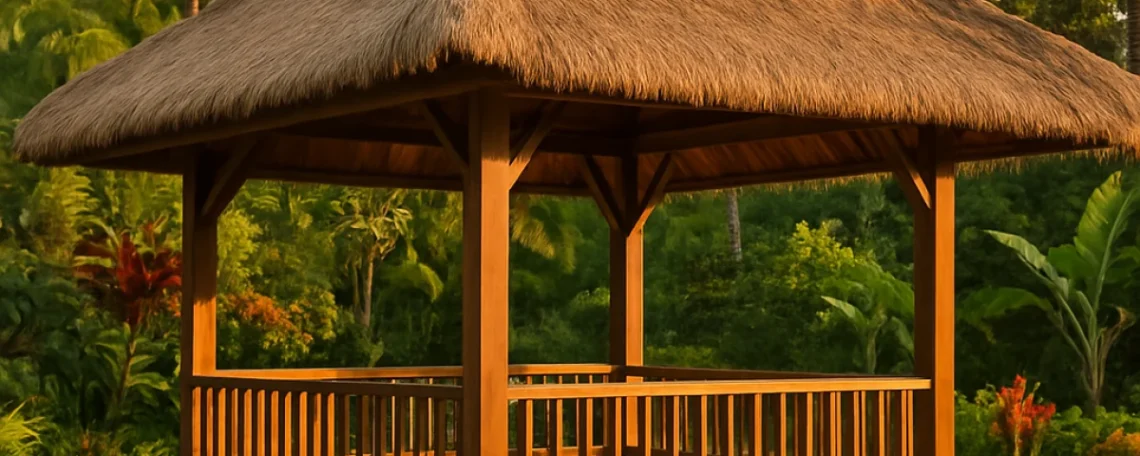
A quality Bali hut starts with treated timber, layered roofing, and rust-proof hardware. These three things determine if your hut stands strong for a decade or falls apart after a couple of seasons. You’ve probably seen plenty of huts around Australia, at resorts, backyards, or beach bars, but not all of them are built to the same standard.

Here’s the thing: cheap builds use thin wood and weak fasteners that can’t handle the weather. That sounds like a waste of money, right? Buying a well-made hut means you get something that looks great and actually holds up over time.

In this guide, we’ll walk you through what separates a quality Bali hut from a regrettable purchase. You’ll also learn about materials, construction, and warranties so you can shop with confidence.

Let’s get into it.

Bali Hut Quality: What Sets the Good Apart from the Great

Bali hut quality depends on timber, roofing, and hardware.

A great Bali hut begins with high-quality timber, proper roofing, and sturdy hardware. Not all huts use the same materials, and that’s where the differences are most noticeable.

Below, we cover each one so you can spot the good from the bad.

The Timber and Posts

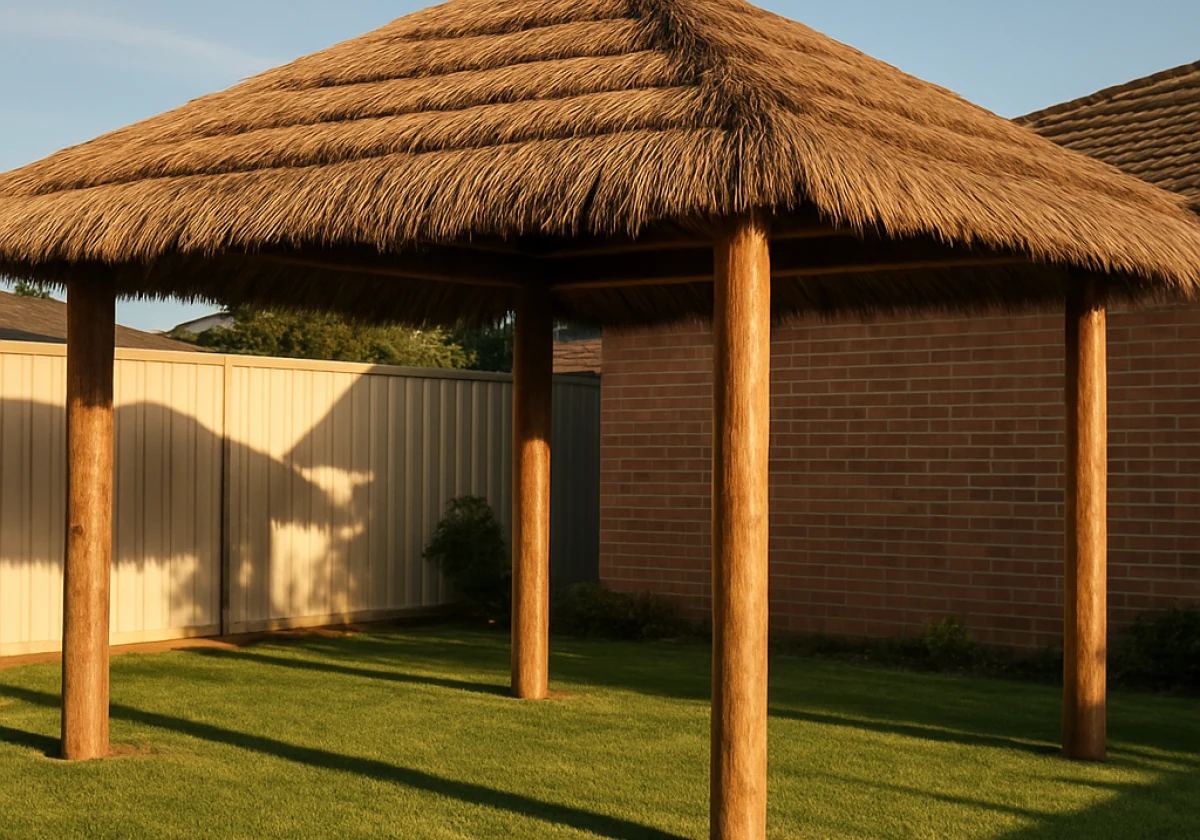
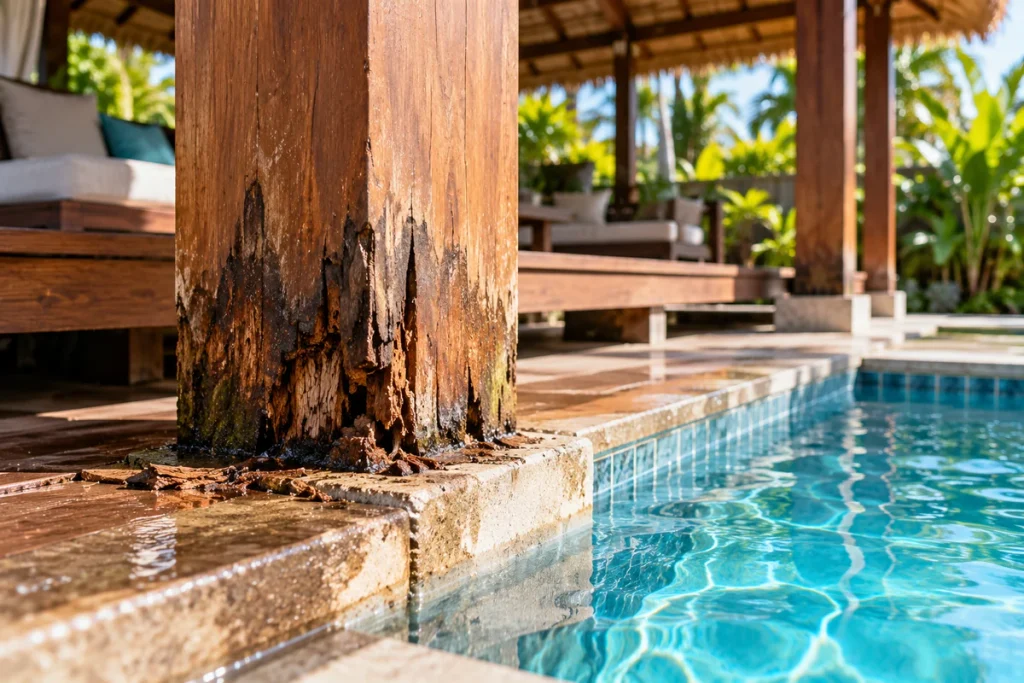
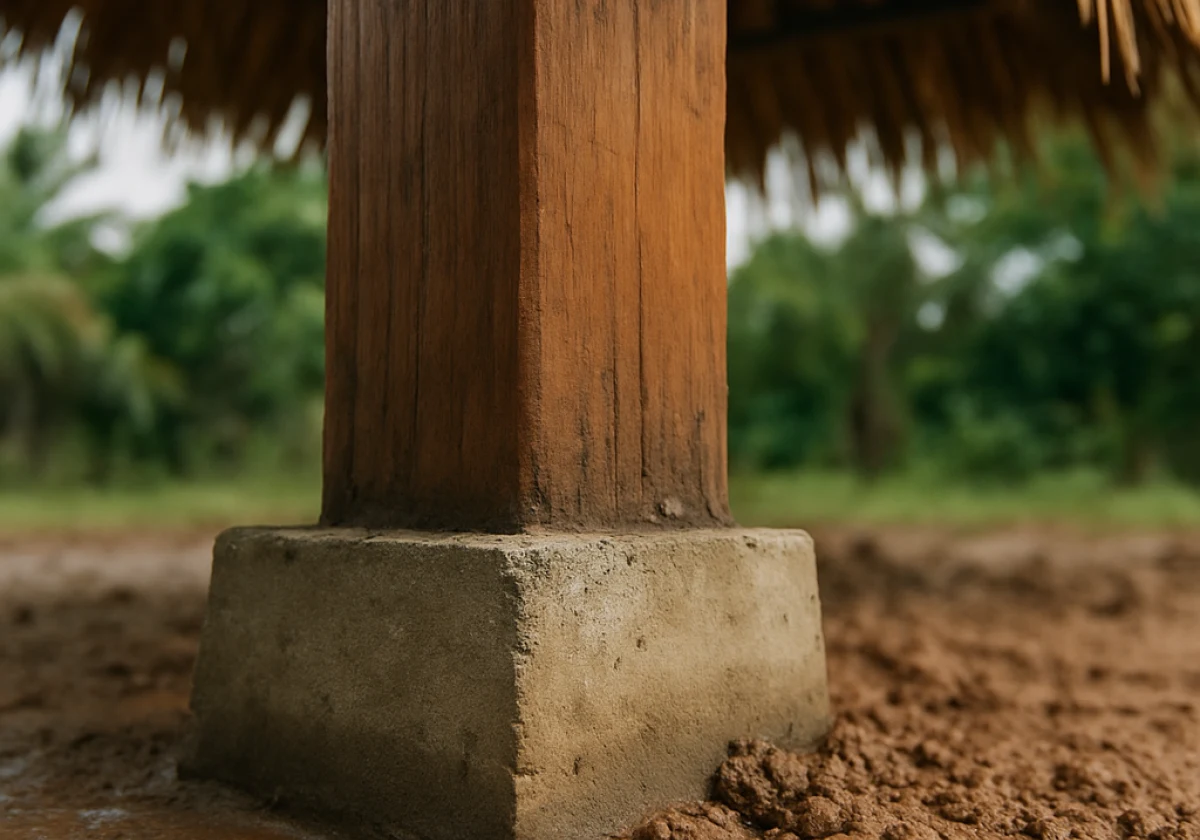
The posts are the backbone of your hut, and quality timber means your structure stays standing for decades. From our years of observation, treated pine resists rot, termite damage, and moisture far better than untreated wood.

But treatment alone isn’t enough. Posts should also be thick enough to handle wind loads, especially if your hut is built on open ground. One quick way to check is by tapping the timber. When you knock on it, quality wood feels dense and heavy. If it sounds hollow or feels lightweight, that’s usually a sign of lower-grade material.

Roof Materials and Thatch

The roof is what gives your Bali hut its tropical character, so the material you choose makes a significant impact. You’ve got two main options here: authentic thatching and synthetic thatch. Authentic thatching delivers a natural feel that’s hard to match, while synthetic thatch lasts longer and needs less work to maintain.

Either way, the thatching should be tightly packed and layered so rain doesn’t seep through the gaps. If the layers are too thin or poorly placed, water pools instead of running off. Once that happens, sagging and rot set in fast. Before long, you’re paying for repairs you didn’t expect.

But wait, there’s more to it. UV treatment counts also. This extra protection keeps the thatch from fading and turning brittle after too much sun exposure. So when choosing your roof, always ask if UV treatment is included.

Hardware and Fasteners

Most people overlook fasteners, but these small parts hold your entire hut together. The right choice here is galvanized or stainless steel, since both handle pressure and resist rust year after year. Cheaper options like weak brackets don’t offer the same strength and often bend after a single storm. That’s why heavy-duty hardware is always worth the extra cost.

But strength isn’t the only thing to think about. Hidden fasteners are worth considering, too. They give your hut a cleaner look and keep the metal shielded from the sun and rain. Since the hardware isn’t sitting out in the open, rust develops much more slowly. The result is a structure that holds together longer without needing replacement parts.

How Can You Tell If an Outdoor Structure Is Built to Last?

Strong outdoor structures

Three things tell you if an outdoor structure will hold up: joints, roof pitch, and finish. It starts with tight joints that keep the frame steady and prevent wobbling over time. A steep roof pitch then allows water to drain properly, and a good finish seals the wood so moisture stays out. Miss any one of these, and issues start showing up fast.

Here’s what to check before buying.

Frame Construction and Joints

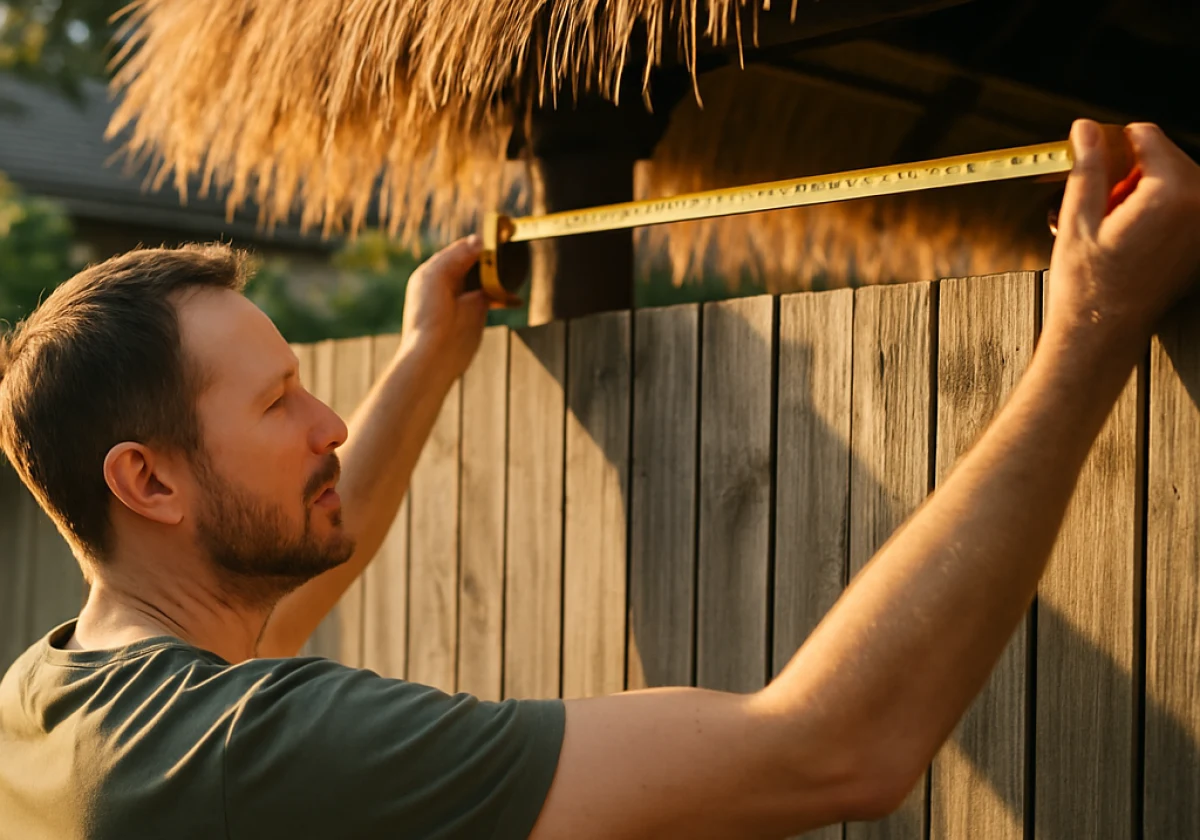
Wobbling is one of the easiest ways to spot weak joints in a frame. When basic screws are the only thing holding parts together, the structure loses stability fast. Mortise and tenon joints or heavy-duty brackets solve this by locking each piece firmly in place.

Before buying, take a closer look at how the frame fits together. Tight connections with no gaps are a good sign, while loose joints usually mean wobbling later (we’ve seen plenty come back for fixing). Dimensions also play a major role than most realize, because wrong cuts create gaps that weaken the frame. Precision-sized parts fit smoothly and keep the assembly easy.

Roof Pitch and Water Runoff

A proper roof pitch keeps your hut dry, while a poor one invites mold and rot. Let’s be honest here, a steep angle around 30 degrees allows rain to slide off quickly without pooling or leaking through. Flat or shallow roofs do the opposite, trapping water on top until problems begin.

When water sits, the thatch starts to sag. Mold builds up next, and the whole structure breaks down faster than it should. Don’t worry, we have an excellent solution for this: a good overhang. It directs rain away from your posts and seating area, so everything underneath stays dry and protected.

Finish Options for Your Outdoor Space

The right finish protects your wood and lets your hut blend perfectly with your outdoor space. When it comes to choices, natural, walnut, and cedar stains all work well to complement existing outdoor furniture and overall backyard aesthetics. But these finishes do something more than look good. They add a protective layer that slows down weathering and keeps the appearance fresh for longer.

That’s why sealing should happen from the very start. The reason is simple: treated wood stands up to sun and rain far better than bare timber does. Still, not every finish is everyone’s cup of tea. You should ask to see samples before you decide, because seeing them firsthand shows you exactly how your hut will look once it’s finished.

Is a Bali Hut a Good Backyard Investment?

a Bali hut is a wise backyard investment

Yes, a Bali hut is a wise backyard investment when you buy quality. A well-built hut adds value to your property and gives you an outdoor space you’ll honestly use. Years later, it still looks great with minimal maintenance.

That’s the kind of return that makes the upfront cost worth it.

Warranty Coverage

A warranty tells you whether the company honestly believes in what they’re selling. Through our practical knowledge, a solid warranty on frames and posts shows the builder stands behind their materials and workmanship. Look for at least 10 to 20 years on structural parts and a few years on labor.

This kind of coverage offers peace of mind along with real value for your money. Just make sure to read the fine print before signing off. You’ll want to know exactly what’s covered and what might void the plan later on. That clarity is what separates a helpful warranty from a confusing one. Without it, doubt creeps in, and buying feels risky.

High Quality Materials

Spending more on quality materials upfront saves you money and headaches for years, so biting the bullet early makes sense. Cheap builds are the opposite, needing yearly fixes or rethatching that stack up in cost over time. Low-maintenance huts don’t demand that kind of attention, which keeps your budget in better shape. With high-quality materials, you avoid seasonal expenses and hold onto more of your money.

A well-built hut keeps its look and function for decades, and it doesn’t ask much from you in return. All it takes is basic seasonal cleaning to keep everything in shape. When a structure lasts that long with so little maintenance, the value speaks for itself.

Weather Resistance

In locations like Queensland or coastal Australia, your hut faces sun, humidity, and storms year-round. A well-built structure handles all of it without warping, fading, or falling apart. How? The answer is waterproof roofing paired with treated timber from day one. Both block moisture before damage starts, which keeps rot from ever becoming an issue.

And that’s where things get interesting. During summer, a quality hut blocks the heat and keeps the area below much cooler than standing out in the open sun. That makes your backyard space far more comfortable when the weather heats up, and your home gets an outdoor retreat you’ll actually use.

Ready to Build Your Backyard Escape?

Finding a quality Bali hut feels overwhelming with so many options out there. Cheap builds and poor materials make it easy to waste money on a hut that won’t last. But that doesn’t have to happen. When you know what to look for, finding the right Bali hut becomes much simpler.

This guide covered the fundamental areas to check before buying: timber, roofing, hardware, frame construction, finishes, warranties, and weather resistance. Each one plays a role in how long your hut lasts and the value it brings to your outdoor space.

Ready to find your dream Bali hut? Reach out to our team for advice, see samples in person, and get a quote that fits your backyard and budget.

Read More

How a Bali Hut Changes the Way Families Use Their Outdoor Space

How a Bali Hut Changes the Way Families Use Their Outdoor Space

A Bali Hut gives your family a reason to use the backyard. It adds shade, weather protection, and a defined area that pulls people outside instead of leaving them stuck on screens indoors.

We get it. You have a yard, but nobody uses it because the sun’s too harsh, rain ruins plans, or there’s just nowhere comfortable to sit. As specialists in Bali Huts, we see this all the time. Families invest in nice furniture and landscaping, but without overhead coverage, that backyard potential just sits there.

But you don’t have to settle for that. In this article, we’ll walk you through how a Bali Hut changes everyday backyard use.

Here’s what we’ll cover:

  • Daily routines that move outside with weather protection
  • Summer becomes bearable with proper shade
  • How your yard becomes the gathering spot
  • Tool time and DIY projects under a permanent shelter

Read on to see how one structure changes the way your outdoor space gets used.

Why Outdoor Lifestyle Starts with Better Backyard Design

A good outdoor lifestyle happens when your backyard has a spot you actually want to use, not just look at.

While most families have yards, they rarely spend time there because there’s no comfortable place to sit. That’s why you need a defined space that gives you protection and makes the area feel like an actual room you’d use. When shade and shelter exist, people naturally gravitate outside.

Here’s what’s interesting: home improvement doesn’t always mean renovating your house. Sometimes, creating a functional outdoor space that makes your property work harder for you is enough.

That’s where better backyard design ideas come in.

What Happens When Your Yard Gets Used?

The best part about adding a Bali Hut is watching your family naturally spend more time outside.

And here’s the thing: breakfast moves outside on weekends because you finally have a shaded table that stays cool and dry. Your kids set up games under the roof instead of complaining about the heat or asking to go inside after five minutes.

On top of that, your outdoor furniture stops collecting dust and becomes part of your daily routine year-round. The yard shifts from being a decoration to being a functional part of how your family lives.

Rain or Shine: How Weather Stops Being an Excuse

Weather Stops Being an Excuse for Outdoor Relaxation

Weather protection means you can use your outdoor space even when conditions aren’t ideal.

Instead of cancelling plans at the first sign of drizzle, light rain becomes a non-issue because overhead coverage keeps both people and furniture dry. The covered area keeps everything dry while you relax underneath (we’ve all been there).

Summer storms become background noise rather than reasons to pack everything up and run inside. You can rest easy knowing your setup won’t get soaked, so you stay put and enjoy the sound of rain hitting the roof.

As the seasons shift, cooler months still invite morning coffee or quiet reading outside. Because the structure blocks wind and creates a more stable environment, the space stays comfortable longer than an open yard ever could. Weather stops being the main factor in whether you’ll use your backyard.

The Shade Factor Changes Everything in Summer

We’ve found through hands-on work that shade is the fastest way to make your outdoor space usable during the hottest months. In fact, research shows that shade can lower ambient air temperatures by 15–20°F.

Direct sun drives temperatures up and makes sitting outside miserable. However, a covered structure with natural materials like timber and thatched roofing creates a cooler zone. That lets you relax outside without feeling overheated.

Let’s look at how this plays out for different people in your family:

Kids Want to Play Outside Again

Ever notice how kids bail on outdoor play the second the sun gets too strong? Direct sun drives them back inside within 15 minutes because they overheat and get uncomfortable fast.

The reason this counts is that shaded play areas keep temperatures cooler, so they stay out longer without complaining about the heat. Kids actually use board games and outdoor toys when there’s a comfortable spot to spread out.

The fun lasts longer when the sun isn’t cooking everyone.

Adults Get Their Coffee Spot Back

Outdoor Lifestyle: Perfect Coffee Spot

Morning coffee tastes better outside, but only if you’re not squinting into harsh sunlight or sweating through your shirt. A permanent roof means rain won’t hit your mug, and you don’t rush through your routine.

Even reading or working outside becomes realistic when glare and heat aren’t constantly bothering you. You get a space where you can relax without any distractions or discomfort.

Now that you see how weather protection changes things, let’s talk about the real value.

Home Improvement That Pays Off in Daily Use

Most home improvement upgrades look nice but don’t change how you live, while a Bali Hut adds functional space immediately. You’re not renovating for resale value or trying to impress the neighbour down the street. You’re building a spot your family will use regularly.

The structure becomes the hub for:

  • Meals with friends and family
  • Hobbies like painting or woodworking during a break
  • Relaxing and watching movies on warm evenings
  • Adding a hammock for lazy afternoons

It’s a complete backyard solution that delivers more value than most projects. The best part is that you can choose wood finishes and a style that matches your house.

Evening Hours Become Usable Outdoor Space

Remember when sundown used to mean heading inside? That doesn’t have to be the case anymore.

Sunset dinners work without bugs swarming your food or evening dew soaking chairs and cushions constantly. You can add lighting and fans to turn the area into a comfortable evening spot that feels separate from the house (not the most exciting task, admittedly, but it makes a difference).

Better yet, cooler evening air is more enjoyable when you have a defined outdoor space instead of random patio furniture scattered around. Fresh air beats sitting inside, and a covered structure gives you a reason to stay out after dark.

When Your Backyard Becomes the Main Gathering Place

A covered outdoor area naturally becomes where people want to hang out during gatherings. Makes sense, right? When you have weather protection and comfortable seating, your backyard stops being backup space and starts being the first choice.

Here’s what changes:

  • More Invitations: Friends ask to come over more often because your yard has a destination spot (even if you add a pool later, the covered area stays the hub)
  • Easier Parties: Your kids’ birthday parties feel less chaotic when there’s a central sheltered area for food and activities
  • Holiday Gatherings: Most family events expand outside since you have enough covered seating for everyone, and the space works regardless of the weather

At the end of the day, you’re creating a space that brings people together. If you’re someone who loves to host, this kind of setup pays off every time you have people over.

Tool Time Gets Easier with Permanent Shelter

If you’ve ever hauled tools in and out of the garage for outdoor projects, you know how tedious it gets. That back-and-forth alone is enough to stall half-finished DIY plans.

Many homeowners shared with us that DIY projects like woodworking naturally move outside once there’s proper cover, where noise and sawdust aren’t taking over the garage. They mentioned that tools and materials stay protected under the roof, so there’s no constant hauling everything back and forth.

The thing is, working outside in fresh air beats a stuffy garage, especially during spring and fall. You finish the job faster when you have proper lighting and space to spread out building materials. Plus, you can focus on the details without worrying about the weather ruining your work.

The Takeaway: Installing a covered area gives you a dedicated workspace that doesn’t take over your garage or house.

Your Backyard’s Waiting for a Bali Hut

A Bali Hut changes how your family uses outdoor space because it removes the barriers that keep everyone inside. Weather stops being an excuse, and summer heat becomes manageable. So your backyard shifts from wasted potential to a place where life happens.

The good news is you don’t need a crazy budget or forever to make this work. A Bali Hut creates immediate value the day it’s installed.

You might be tired of unused yard space, or you’ve decided it’s time for a real home improvement project. Either way, a covered area delivers results you’ll see every day.

Your backyard’s already there. The only thing missing is a reason for your family to use it.

If you’re ready to create an inviting outdoor lifestyle that works year-round, contact Georgia Wiseman to get started.

Read More

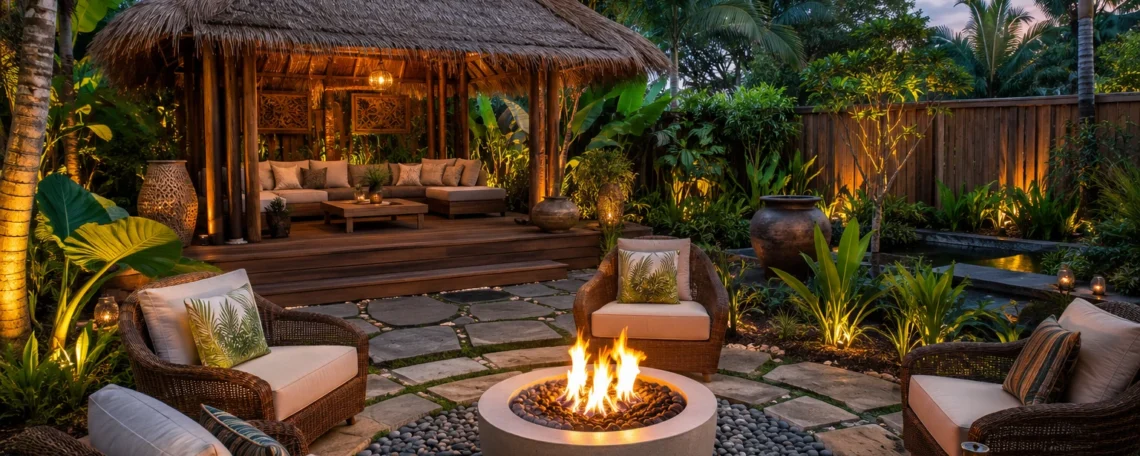
How to Create a Tropical Garden Vibe Around Your Bali Hut

tropical garden Bali hut

Do you have a Bali hut in your backyard, but the rest of the space still feels empty and doesn’t match the tropical vibe you imagined?

Many people struggle with landscaping, especially when it comes to balancing sunlight and shade and choosing plants that work well together. Why? It’s because good landscaping needs planning, or your space won’t feel balanced or inviting.

But don’t stress. We’ll show you how to turn your backyard into a true tropical retreat.

In this guide, we’ll share simple tips on layout, plants, natural accents, lighting, and Balinese style.

Planning Your Outdoor Space: Bali Hut Layout Ideas

First, think about how your hut fits into the bigger picture. Do you want the structure to be the main feature everyone notices? Maybe you prefer a quiet hideaway tucked in a corner? Or perhaps you’re after something that connects different parts of your backyard?

Once you’ve thought about your hut’s role, it’s time to pick a layout style.

Layout Styles That Work Well

Different setups work better for different gardens and how you like to relax. Here are three popular ways to arrange your tropical garden Bali hut.

  • Central Focus Layout: Put your hut right in the middle of your garden. Then you can build garden beds around it in layers. This will create a natural feel that draws people towards the perfect place to sit and unwind.
  • Corner Retreat Layout: If you prefer more privacy, tuck your hut away in a quiet corner of your property. This setup gives you a private spot that’s great for reading or just escaping the heat on those really hot days.
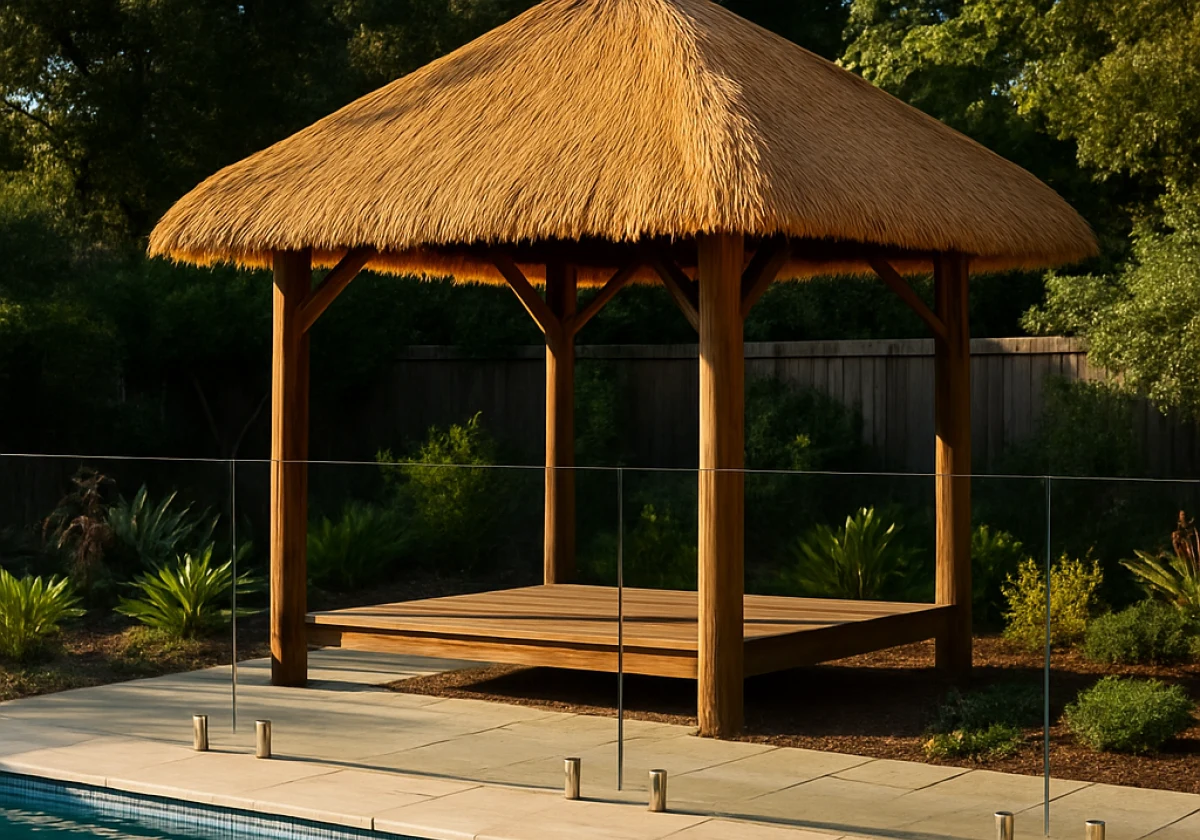
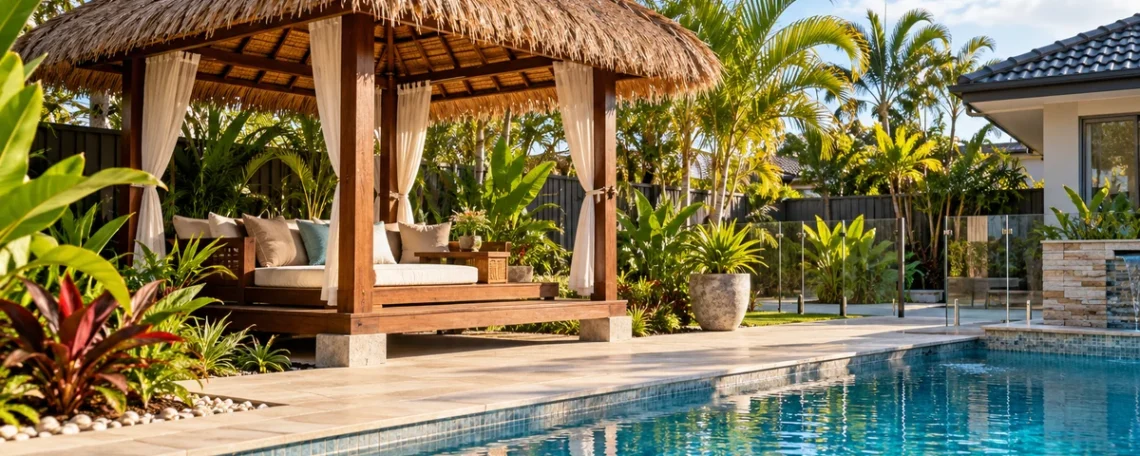
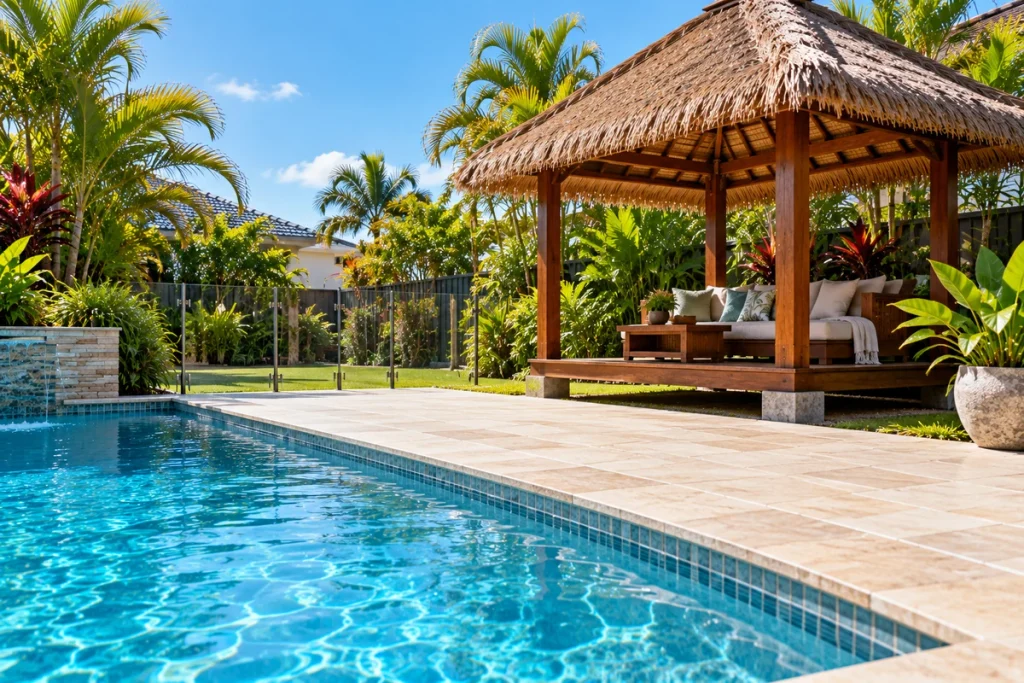
  • Poolside Cabana Layout: For those lucky enough to have a pool, set up your hut next to your pool area. You’ll get that luxury resort vibe while having shade right where you need it most.

While each arrangement has its appeal, go with the one that feels most comfortable.

Making Your Yard Shape Work For You

Your chosen layout also needs to match your garden’s natural shape. We, Georgia Wiseman, recommend trying these ideas for every layout:

  • For L-shaped gardens, a corner setup creates a cozy, usable space.
  • A pathway layout suits long, narrow backyards perfectly.
  • Big square or rectangular gardens shine with a central focal point.

Whatever layout you choose, don’t crowd everything together around your huts. Leave some open space and clear views. This breathing room actually makes the relaxation factor work so much better.

Adding Natural Touches That Guide the Eye

To complete your layout, think about the finishing touches that tie everything together. For instance, gravel walkways, timber decking, and stepping stones help separate different areas of your backyard. These natural elements show people where to walk while adding real texture and character to your outdoor retreat ideas.

Finally, think about comfort all year round, too. Check where the sun hits during different seasons, how wind moves through your space, and where you’ll need shade in summer versus winter sun.

Once you’ve got your layout sorted and know where everything goes, it’s time to fill those carefully planned spaces with the right plants.

Low-Maintenance Tropical Plants for Your Bali Hut Garden

Most people love the idea of that amazing tropical garden look, but worry about the upkeep. Will you be stuck watering and pruning every single weekend? Hopefully not, because we’ll show you how to make a beautiful Balinese garden with minimal effort.

Plant in Strategic Layers

The secret to getting that jungle feel is thinking in layers, just like a real tropical forest. Start with tall palms as your top layer. These give you shade and that instant tropical vibe everyone wants.

Next, add some medium-height plants like cordylines and hibiscus in the middle to fill the space and add colour without blocking the hut. Then finish with low ground cover plants like mondo grass to carpet the bottom level.

Mix Local and Exotic Plants

Here’s where you can be really smart about plant choices. You can combine tough local plants with a few special exotic ones for the best of both worlds.

For example, try putting a hardy Bangalow palm next to some striking heliconia plants. Your local plants handle the tough weather while the exotic ones give you that authentic Balinese garden style you’re after.

Go for Plants That Handle Dry Spells

Bird-of-paradise and agave plants look incredibly lush but actually love hot, dry conditions. These beauties give you that tropical paradise feel without needing you to water them constantly.

Keep It Simple with Three Levels

Now, while picking out plants, try not to go overboard with too many different types. A simple three-layer approach works much better, giving your garden depth without making it look messy or crowded.

Plant in Natural Curves

You don’t want to take chances with straight lines in your planting either. Our advice is to plant in gentle curves around your Bali hut to frame views and keep your garden feeling relaxed and natural.

Add Special Touches

Now, it can’t be a tropical paradise without some special touches, can it? Pop in some traditional Balinese statues, bamboo water bowls, or eye-catching potted plants at key spots. Let these natural elements complete that authentic sanctuary feeling you’re going for.

With your plants sorted and that lush tropical backdrop in place, you’re ready to make the space actually comfortable for real life.

Outdoor Living Room Ideas: Furniture, Lighting, and Layout Tips

Once your plants are looking good, you’ll want to focus on making your outdoor retreat ideas actually work for everyday life. Here’s how to turn it into a space you’ll love using.

Choosing the Right Furniture

When it comes to furniture, rattan and teak pieces look amazing with the natural thatch roof and bamboo touches. These materials handle weather changes much better than regular outdoor furniture and actually get better-looking with age. Plus, woven textures give you that authentic Balinese feel while staying comfortable enough for proper relaxation.

Pairing Materials with Your Garden

When you’re picking furniture, think about how different materials work together. Stone table tops look fantastic with timber chairs and soft fabric cushions. The mix of hard and soft natural elements gives you that luxury resort feeling without looking too fancy or overdone.

Most importantly, your furniture should work nicely with your existing deck and garden materials rather than clash with them.

Setting Up Different Areas for Different Activities

Now that you’ve got your materials sorted, it’s time to think about how you’ll use the space. Your outdoor area needs to work for lots of different activities throughout the day. For example, a dining area works well closest to your house, with a sturdy table and chairs that can handle entertaining friends and family meals.

But if you like quiet time, a meditation corner fits perfectly in a tucked-away spot. Maybe just add a really comfortable single chair and a small side table there.

Smart Lighting

Once you’ve got the daytime sorted, think about good lighting for evening enjoyment.

Lights pointing up at your palms and shrubs create beautiful shadows and show off your plants at night. Pair that with soft string lights under the African thatch roof for a gentle glow, perfect for evening relaxation.

Add Sensory Touches

Finally, to really complete the experience, consider elements that work on multiple levels. Our recommendation is citronella torches because they keep bugs away naturally while adding a lovely flickering light to your space.

Make Your Bali Hut Backyard a Tropical Paradise

Ready to transform your own backyard into that tropical paradise you’ve been dreaming about?

You now have all the pieces you need to make your Balinese garden ideas come to life around your outdoor space.

Remember to keep your new sanctuary low-maintenance, functional for entertaining friends and family, and full of the sensory details that help you relax after those long, hot days. Your tropical garden Bali hut should be a perfect place where you actually want to spend time, after all.

The natural elements, tropical plants, and thoughtful design will give you a space that feels like a holiday destination right outside your back door.

Read More

Shade Solutions: What to Pair with Your Bali Hut for All-Day Comfort

Best Shade for Bali Hut

If you’re finding your Bali hut isn’t as comfortable as you hoped during peak sun hours, you’re not alone.

The issue is that your beautiful thatch roof provides excellent overhead coverage, but the Australian sun comes from all angles. Those side rays and reflected heat can make your outdoor space uncomfortably warm when you want to relax the most.

In this guide, we’ll break down practical shade solutions so you’ll know exactly how to create all-day comfort in your backyard.

We’ll cover:

  • Smart furniture positioning strategies
  • Outdoor blinds for Australian conditions
  • Natural cooling with plants
  • Structural add-ons that deliver results
  • Year-round maintenance tips

We’ve helped hundreds of homeowners in Australia solve this exact problem using these proven methods.

Read on to learn how to maximise your Bali hut comfort the right way.

Your Bali Hut Alone Won’t Beat the Harsh Aussie Sun

Why does your expensive Bali hut still feel like an oven during peak hours? The answer lies in basic design limitations that every structure faces.

People under Bali hut with side sun glare

Here’s what catches most homeowners off guard about standard coverage:

Why Roof-Only Shade Leaves You Vulnerable

Roof-only shade leaves you vulnerable because it can’t block the side angles where morning and afternoon sun sneak through. As the sun moves across the sky throughout the day, those rays slip in from the sides, gradually heating up your deck and outdoor furniture.

The Side-Sun Problem That Ruins Comfort

Reflected heat bounces off nearby surfaces like paving, deck boards, and house walls. This creates hot spots that your Bali hut’s thatch simply can’t block. This build-up of warmth is one of the biggest drawbacks of relying on roof-only shade.

When you understand these gaps, the next step is working with what you’ve already got.

Position Your Outdoor Furniture Like a Shade Expert

Thoughtful furniture placement doubles comfort without adding costs. The secret lies in understanding how heat moves through your backyard and positioning seating to avoid the hottest areas.

The best furniture strategies we’ve seen follow these principles:

  • Strategic placement zones: Have you noticed how some spots stay hotter than others? That happens when benches and chairs sit too close to reflective surfaces such as paving or house walls. By shifting seating to the cooler side of your Bali hut, often the southern exposure, you create a more comfortable entertaining area.

  • Heat-resistant materials that stay cool: Strong material choices set the tone for comfort. When furniture is built from treated timber or powder-coated metal, it stays noticeably cooler under the sun, unlike dark-coloured pieces that trap heat. To complete the setup, add light cushions or towels during the hottest months so the seating feels not only practical but also far more inviting.

  • Creating multiple comfort zones: Our research shows that shaded seating can lower surface temperatures by several degrees. Instead of grouping all your outdoor furniture together, spread seating around your deck and garden. This setup lets everyone follow the shade throughout the day.

Outdoor Blinds That Block the Heat

Picture a summer afternoon under your Bali hut. The thatch roof blocks the overhead sun, but light still slips in from the sides. This is exactly when outdoor blinds become essential for keeping your space comfortable.

Friends relaxing under Bali hut with blinds

The most popular solution is PVC blinds, which work like sliding walls around your entertaining area. They drop down to block the harsh afternoon sun and roll back up to restore an open, airy feel. For those who prioritise airflow, café-style blinds are a smart choice because they block glare while allowing breezes to move through your seating area.

The foundation of success lies in investing in solid fittings from the start. For example, cheaper hardware may seem tempting, but it often fails during storms and leads to costly repairs. Beyond durability, quality blinds also protect your health, with the Cancer Council NSW confirming that well-designed shade structures can cut UV exposure by up to 75%.

To complete the picture, professional installation ensures the blinds blend naturally with the thatch roof and stand the test of time. After addressing the sun problem this way, the next step is adding plants for extra shade and natural cooling.

Green Solutions That Cool Your Great Outdoors Naturally

Plants work like natural air conditioners around your Bali hut, creating cooler microclimates in the backyard. The right native species enhances this effect by lowering temperatures by several degrees while adding beauty to the space.

The most effective plant choices for instant shade include:

Fast-Growing Trees That Handle Aussie Heat

Jacarandas and bottlebrush trees provide excellent coverage within a few years in most Australian gardens. These native plants flourish in our climate while creating substantial shade zones around your entertaining area. So, plant them on the western side of your huts where the afternoon sun hits hardest.

Where to Plant for Maximum Cooling Impact

The ideal placement for larger trees is about three metres away from your Bali hut’s roof, so strong winds or storms don’t cause damage. Then add layers of plants to your garden: tall trees for shade, medium shrubs for cover, and ground plants to fill in the gaps.

Together, these layers keep the air cooler around your seating area and reduce heat coming off paving or grass.

Add-On Structures That Complete Your Shade Setup

Your Bali hut provides great shade, but it can’t cover everything. Fortunately, add-on structures fill those gaps and work best when you plan them as part of your whole outdoor area.

 In our experience, these additions give the best results:

  1. Retractable awnings for ultimate control:  You can extend your Bali hut into a larger entertaining space by attaching a timber pergola to its frame. As a finishing touch, choose timber that reflects the thatch roof’s tone. After that, greenery overhead ensures comfort.

  2. Pergola extensions for seamless coverage: A timber pergola can attach to your hut’s frame and extend it into one large entertaining area. To keep the look consistent, choose a wood finish that matches the thatch roof. Then add climbing plants over the pergola to create shade and cool the deck.

  3. Shade sails for tricky sun angles: Quality shade sails can block sunlight where the hut can’t. For best results, install them between your house, fence posts, or garden structures to cover outdoor seating areas.

Your shade solutions need one final consideration to work all year round.

Make Your Shade Solutions Work All Year Round

Australian weather never stands still. Because of this, hot summers and cooler winters demand small adjustments to keep your outdoor space comfortable. If you make these adjustments, you not only stay comfortable but also protect your Bali hut and add-ons, ensuring they last for years.

Family adjusting outdoor shade solutions together

Our team has found these maintenance steps work best:

Summer vs Winter Shade Requirements

In summer, your outdoor space needs as much protection as possible. That means extending awnings fully, closing blinds during the hottest hours, and moving furniture to the coolest spots around the hut.

When the season shifts to winter, the approach changes. Rather than blocking the sun, you’ll retract some shade to let the warming rays filter in. At the same time, small adjustments to pergola angles help balance the light with protection from chilly winds.

Care That Pays Off Long-Term

From our experience, regular upkeep prevents costly repairs. The reason is simple: small problems become expensive headaches when ignored, but catching them early saves hundreds of dollars down the track.

These simple maintenance steps prevent expensive problems:

  • Clean thatch roofs yearly: Remove leaves and debris that block cooling airflow and can cause rot. This simple task prevents structural damage.

  • After every storm, check shade sail attachments: Even small gaps in shade sail fittings can end up costing you a new sail. That’s due to the constant push and pull of wind stress, which weakens mounting points little by little.

  • Monthly hosing keeps PVC blinds flexible: Regular hosing prevents cracking from sun damage that forces expensive replacements. Plus, clean blinds operate far more smoothly.

  • Don’t overlook the motorised parts: An annual inspection catches electrical or mechanical issues while they’re still minor. Fixing them early costs far less than an emergency replacement when the system fails.

Maximise Your Outdoor Living Experience

Australian sun can make even the best Bali huts uncomfortably hot during peak hours, leaving your beautiful outdoor space underused. Fortunately, proven shade solutions exist that complement your existing thatch structure perfectly.

These solutions include strategic furniture placement, protective blinds, cooling native plants, and structural add-ons that work together to create lasting comfort. For long-term results, regular seasonal maintenance keeps everything effective so your backyard remains a welcoming place throughout the year.

Ready to maximise your Bali hut’s potential? Contact Georgia Wiseman today for expert advice on shade solutions that suit your space perfectly.

Read More

Bali Hut Maintenance Schedule: What to Do Seasonally

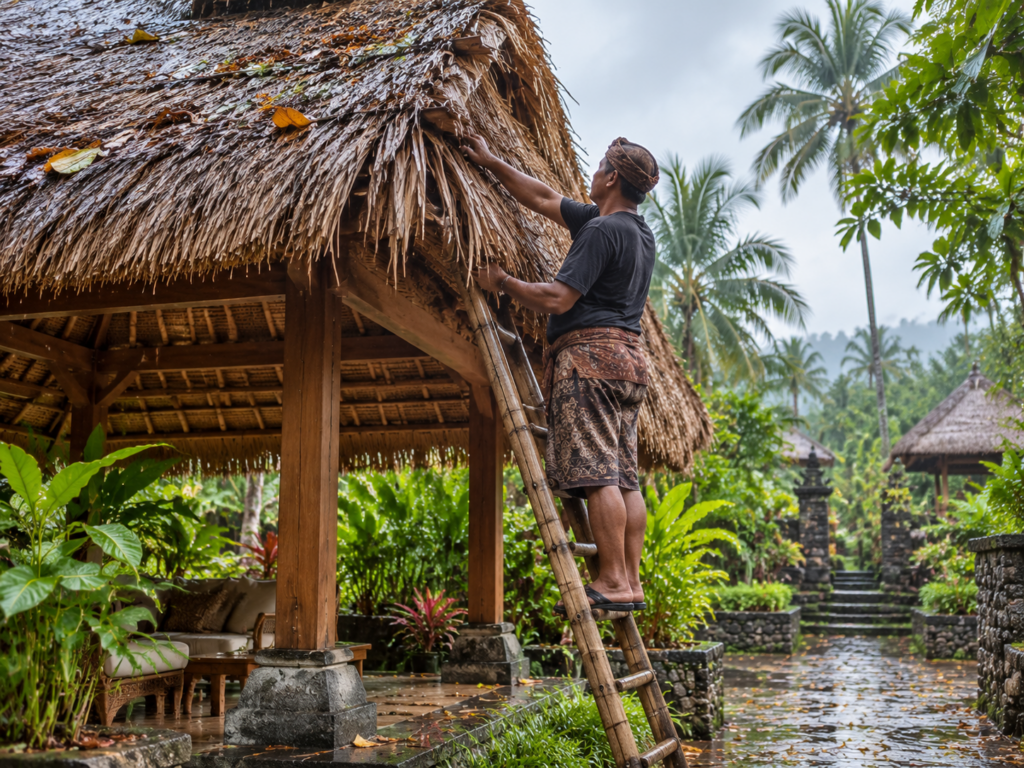
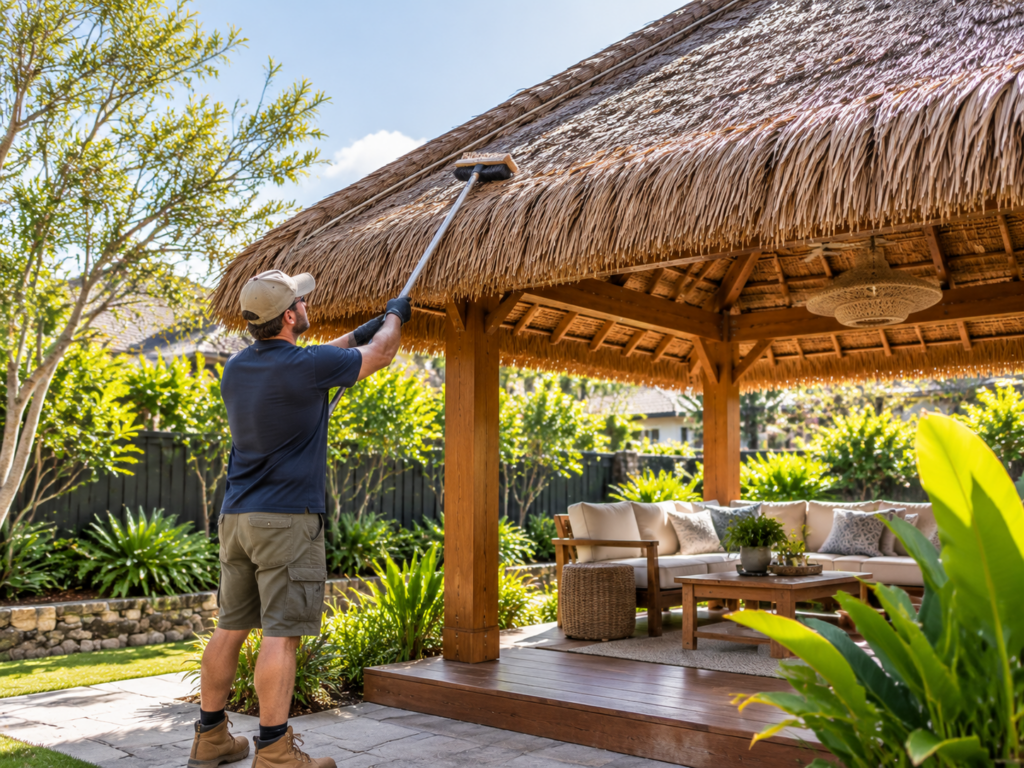
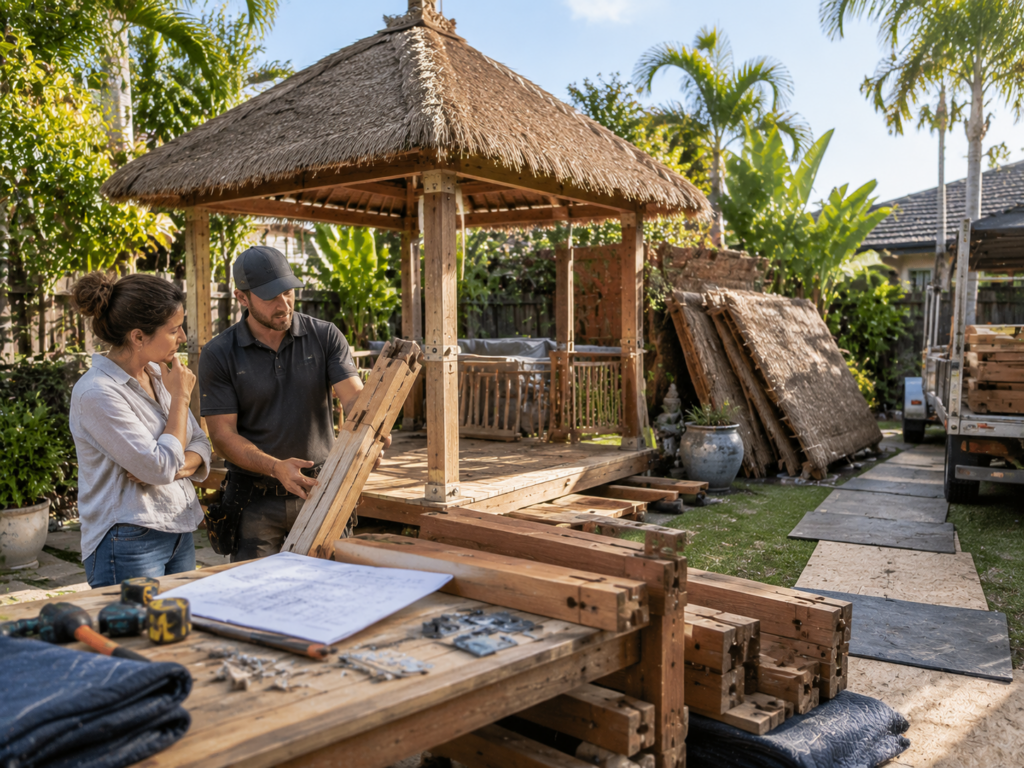
Man cleaning Bali hut roof in backyard

In this guide, we’ll break Bali hut maintenance down into simple seasonal steps so you’ll know exactly how to protect your outdoor space and keep it stunning year-round.

We’ll cover:

  • Spring cleaning and damage assessment
  • Summer protection strategies
  • Autumn weatherproofing techniques
  • Winter monitoring essentials
  • When to call in professional help
  • Creating your personal maintenance calendar

We’ve helped dozens of Bali hut owners in Australia maintain their structures using these same seasonal methods.

Keep reading to learn simple ways to care for your Bali hut so your backyard paradise stays beautiful for decades.

Spring: Your Bali Hut’s Fresh Start After Winter

Spring signals the perfect time to give your Bali hut some attention after winter’s challenges. During these months, your thatched roof and timber elements have likely weathered considerable rain and temperature changes. This is precisely why regular maintenance now prevents costly repairs later and keeps your outdoor space looking its best.

Couple cleaning and maintaining a Bali hut

After the cooler months, your Bali hut needs attention in a few important areas:

Checking for Winter Damage

After winter ends, imagine taking a slow walk around your hut. As you look more closely, you may notice the roof with a few stray patches of thatch, the timber showing faint stains, and the joints revealing tiny cracks.

Thankfully, these are not major problems, and with regular checks like this, you can prevent costly repairs later.

Deep Cleaning Your Thatched Roof

What comes next might surprise you with how satisfying it feels. Deep cleaning your thatched roof becomes almost meditative once you get into the rhythm. This stage is important because regular care clears away the dirt and debris winter often leaves behind, helping the roof stay in good condition.

To begin, use a soft-bristle brush and work from the peak down toward the edges so gravity carries debris away naturally. After brushing, continue with a rinse of warm water, then allow the natural material to dry fully before moving on.

If you’re climbing onto the roof for this work, take extra care on fragile thatch surfaces. For safety advice, see Safe Work Australia’s Safe Work on Roofs information sheet.

Refreshing Timber and Bamboo Elements

Okay, the roof’s done, and now the timber wants its moment. After all, it’s been through months of weather, gathering dirt, and losing a bit of its sparkle. That’s why giving it a quick clean is the best place to start, before adding a protective coat to keep it strong and handsome.

Spring maintenance sorted, it’s time to focus on keeping things perfect during the busiest season.

Summer: Protecting Your Backyard Oasis During Peak Season

In summer, your Bali hut gets more use than at any other time. It hosts BBQs, provides shade, and stands up to long hours of sunshine. That workload makes upkeep important, and paying attention now keeps problems small.

Your summer maintenance should focus on these priorities:

  • Monthly visual inspections: Do yourself a favor and give the hut a once-over each month. As you move around, scan for UV damage on the timber and thatch, and then focus on the spots that soak up full sun, since those are usually the first to show signs of wear.

  • Keep the air moving: Nothing beats proper ventilation for comfort and protection (good airflow significantly improves comfort and helps prevent moisture buildup). If you’ve added furniture or decorations, make sure they’re not blocking those natural breezes that prevent moisture buildup.

  • Show high-traffic zones some love: The places everyone prefers, such as entry points and seating areas, take the most wear. In the same way, think of your kitchen, where constant activity naturally leads to more cleaning.

  • Tackle spills while they’re fresh: When guests gather, spills are bound to happen, so make sure you have cleaning supplies handy. If you act quickly, even red wine won’t leave a permanent mark on your hut’s natural surfaces.

As summer draws to a close, preparation for Australia’s wet season becomes essential.

Autumn: Weatherproofing Before the Wet Season

Autumn acts as your Bali hut’s insurance policy against water damage. Wondering how? Well, seal gaps, improve water flow, apply timber protection, and secure loose elements. Each step reduces the chance of costly repairs once the wet season arrives.

Man applying wood stain to Bali hut post.

Follow this weatherproofing sequence before the rain arrives:

  1. Step 1- Hunt down and seal gaps: Start by checking where your roof meets the timber posts, feeling for any spaces that shouldn’t be there. Even tiny gaps turn into major headaches when wind drives rain sideways into your structure.

  2. Step 2- Sort out water flow: Your hut should shed rain like it’s got superpowers, but it can only do that if water has a clear path to follow. Start by clearing the gutters and checking that downpipes aren’t blocked. Then, make sure water flows away from the base instead of collecting under the thatch.

  3. Step 3- Apply timber protection: Quality treatments work like a good raincoat for your wood, keeping moisture out while letting the timber breathe naturally. This step alone prevents most rot and mildew problems we see.

  4. Step 4- Secure loose elements: Every connection, rope, and decorative bit needs a solid test at this point. That’s because winter storms don’t go easy on loose components, and anything that feels unstable should be replaced now.

This systematic approach replaces worry with confidence.

As soon as autumn tasks are finished, winter shifts into the easiest season of care.

Winter: Low-Maintenance Monitoring

After the busy months of spring and summer, your Bali hut enters a slower season that feels like a welcome break. Because the heavy work was handled during autumn, there’s little left to do now, although it’s still important not to overlook the hut entirely.

For that reason, winter becomes more about monitoring than maintenance. After a storm, take a slow walk around and check how everything held up. As you check, pay attention to small details like shifted thatch or timber that looks damp, so that you can prevent larger problems from developing later.

Beyond these light checks, winter also gives you valuable breathing space. Rather than rushing repairs, take this opportunity to explore materials, seek advice, and plan fixes.

This slower season is also the perfect chance to gather supplies and request quotes for extensive projects. This approach to winter leaves you well prepared and confident for the spring season.

Red Flags: When Your Bali Hut Needs Professional Attention

Every DIY enthusiast has limits, and knowing your limits protects both your safety and your investment. However, some Bali hut issues require professional expertise to avoid costly structural damage, widespread thatch deterioration, electrical hazards, or foundation instability.

Watch for these warning signs that signal professional help:

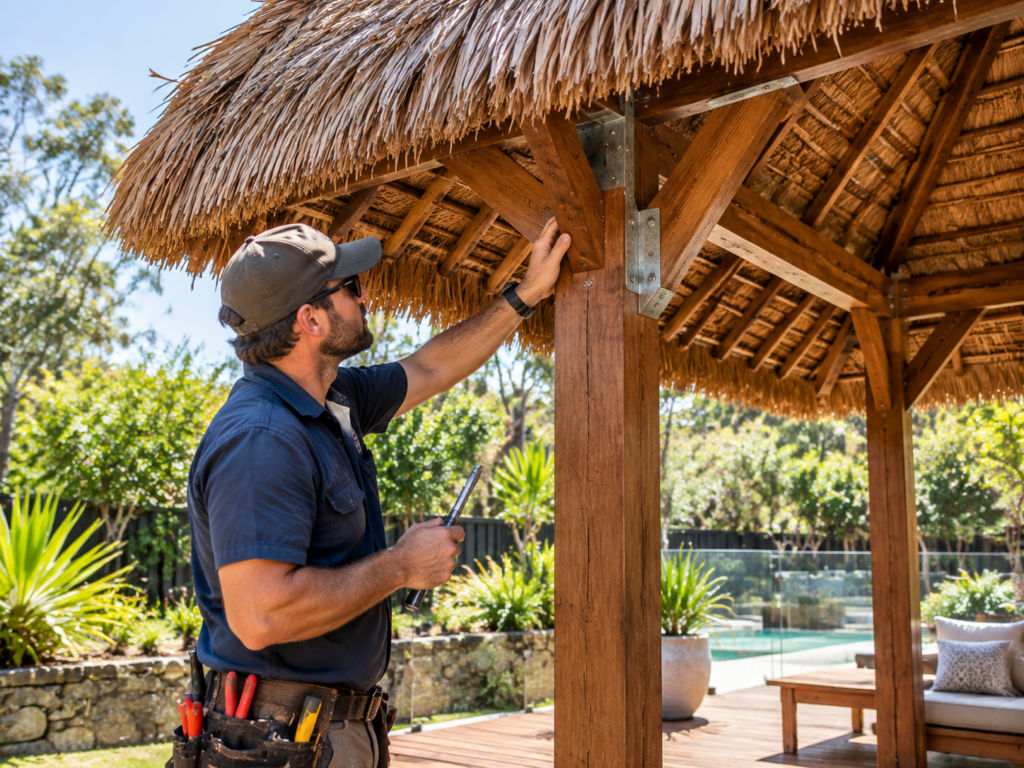
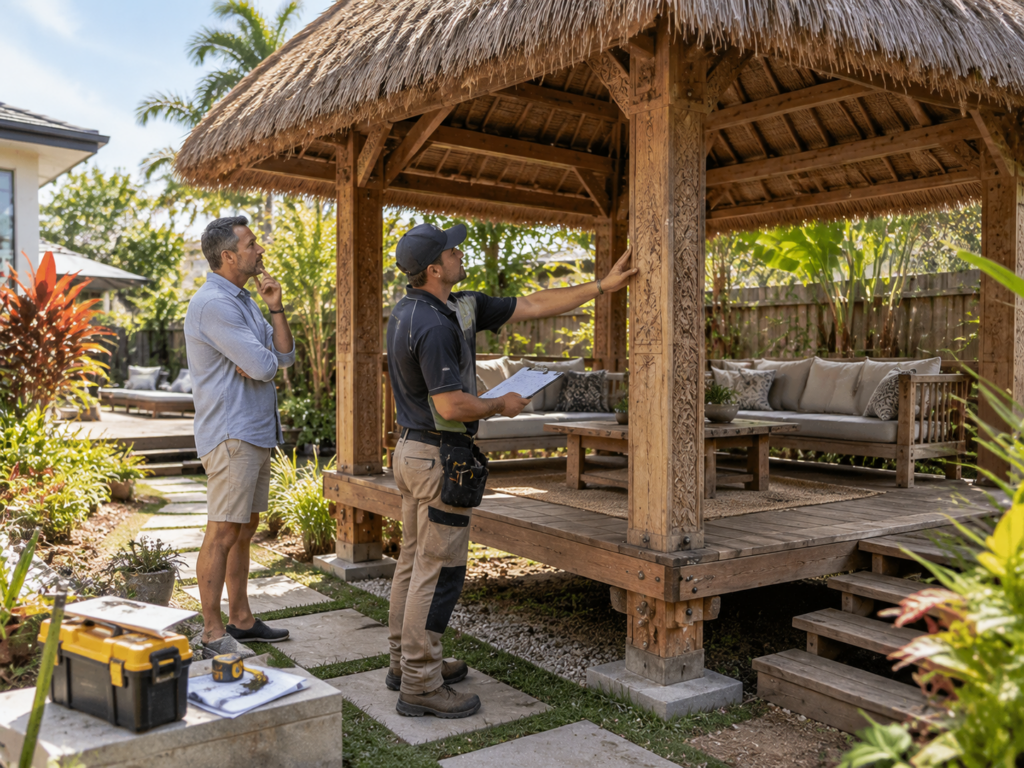
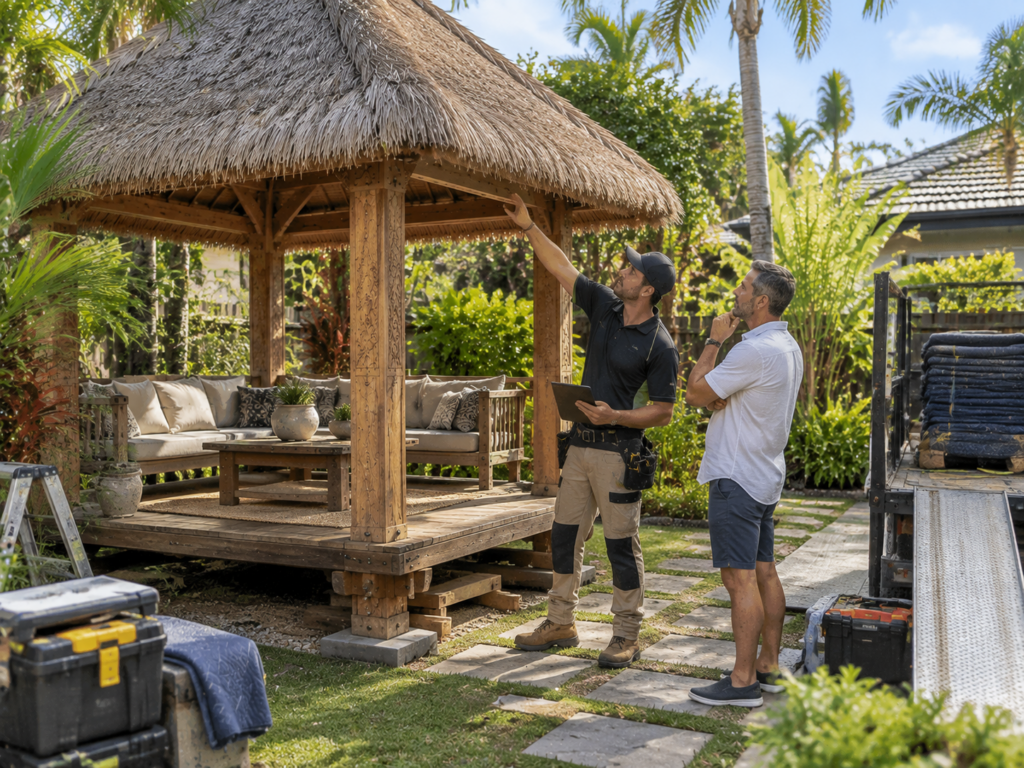
Contractor inspecting Bali hut roof with homeowner.
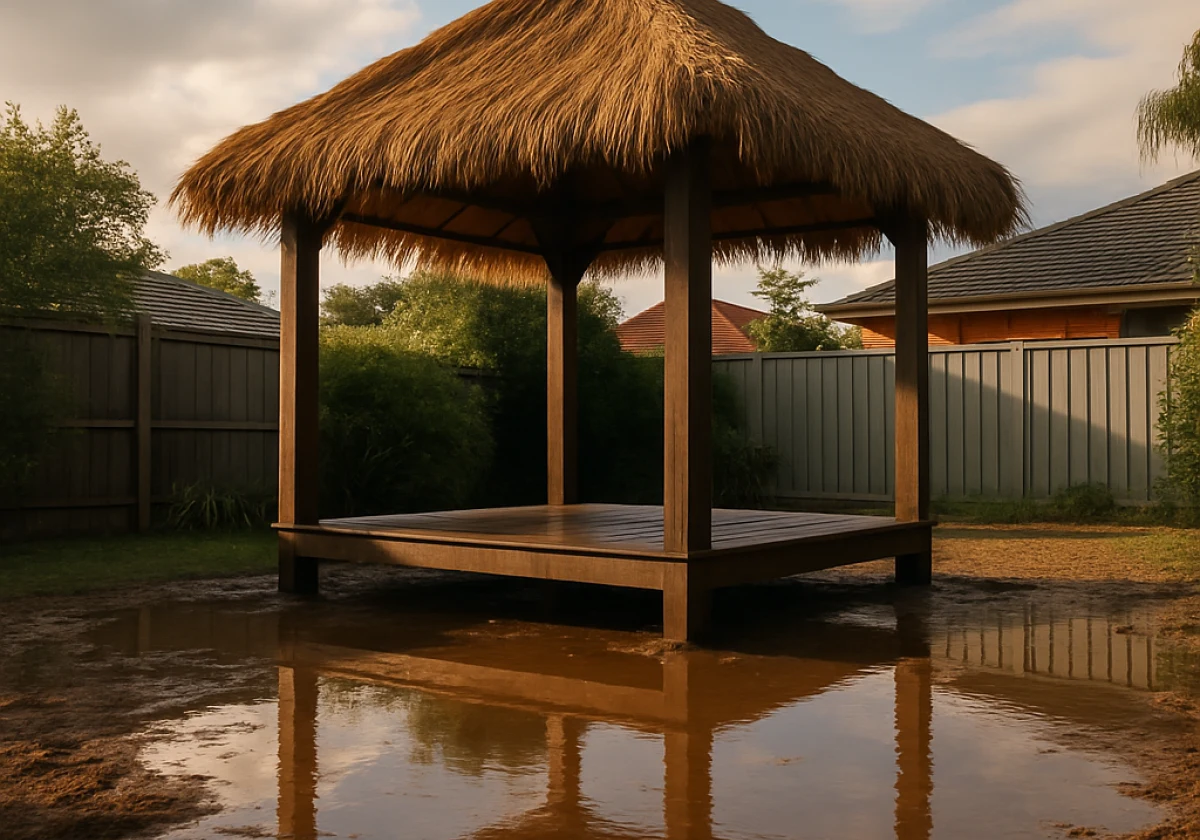
  1. Foundation problems: Uneven settling, unresolved water pooling, or structural movement require professional assessment. Left untreated, these issues can lead to foundation repairs, structural reinforcement, or even a full rebuild.

  2. Structural concerns: Roof lines that sag, cracked support posts, or any movement in the frame mean you need to call the experts immediately for safety reasons.

  3. Extensive thatch damage: When you see big areas that need replacing or a lot of rot, it’s time to stop DIY. Bring in a professional to handle it the right way with the right materials.

  4. Electrical or plumbing issues: Never attempt DIY work on utilities that run to your hut. For your safety, rely on licensed professionals, since they not only prevent fire, electrocution, and water damage but also guarantee correct installation and compliance with standards.

Now that you know the red flags, it’s time to put together your complete maintenance strategy.

Your Year-Round Maintenance Schedule

Your Bali hut deserves regular attention to keep it looking fantastic all year. However, many homeowners struggle with knowing what to do and when, especially when it comes to thatched roofs and outdoor timber.

To make things easier, think of the work in seasons, because breaking tasks into smaller steps makes the job far more manageable.

As we’ve discussed, each season plays its role. In practice, that means spring brings cleaning and inspections, summer focuses on sun protection during busy months, autumn prepares for rain, and winter allows for planning. Together, these steps keep your hut strong and beautiful.

Ready to keep your backyard paradise looking amazing? Give Georgia Wiseman a call. We’ve got the expertise, materials, and friendly guidance to make maintenance easy.

Read More

Creative Lighting Ideas to Elevate Your Outdoor Space

Creative Lighting Ideas to Elevate Your Outdoor Space

Wondering what lights will suit your outdoor space? You’re in the right place. We know how lighting can instantly change your backyard’s vibe and create warmth and atmosphere in ways you might not expect. But with so many options out there, it’s easy to get stuck or overwhelmed.

The good news? With a few well-placed outdoor lighting ideas, you can make any space look beautiful and practical.

In this guide, we’ll share our favourite backyard lighting ideas, handy tips, and inspiration to help you get started. We’ll walk you through:

  • Choosing the right lights for your space
  • Where to place each type of lighting
  • Soft lighting for garden ambience
  • Practical lighting for safety and function
  • Simple tips to get the perfect look

You’ll learn how to pick the perfect lights for your space and create an outdoor area that works beautifully day and night.

Ready to light things up? Let’s get into it.

Outdoor Lighting Ideas to Spark Your Imagination

If you’re stuck on lighting ideas, start by asking what you want to feel when you’re outside. Do you want to feel relaxed, playful, or cosy? Lighting has a way of changing mood without much effort. And the best part is you don’t need a big budget or complicated tools.

Try one of these outdoor lighting ideas that match your mood:

  • Use fairy lights to soften sharp edges: Backyards can sometimes feel a bit too square or plain. A few strings of fairy lights wrapped around posts or trees can soften the space instantly. They’re perfect if you want to wind down after dinner. You can mix warm and cool tones for extra depth, especially if your garden feels flat. They’re also easy to move if you like to change things up now and then.
  • Spotlights turn one object into a feature: Pick something you love, like a tree, a sculpture, or even a textured wall. Place a spotlight at the base and aim it up. It’s simple and surprisingly stylish. 
  • Lanterns can fill dead space: Got an empty spot that feels a bit bland? Drop in a couple of solar lanterns. They bring soft light and fill the space without needing any extra furniture. You can hang them or place them on the ground, depending on your layout. And if we’re honest, they make the whole setup feel a little more polished, even if you just threw it together an hour before guests arrived.
  • Change the mood with a switch of colour: Coloured LED bulbs are a quick way to change the vibe. Warm amber, soft red, or a cool blue can set the tone for everything from quiet evenings to festive hangouts. They’re easy to swap in and out, and they make seasonal decorating feel effortless.

These ideas are just the beginning. Once you’ve tried a few, it’s time to plan things out so your space looks balanced and works well every night.

Backyard Lighting Tips for a Clever Plan

Backyard Lighting Tips for a Clever Plan

Getting your lighting plan sorted early can save you time, money, and plenty of head-scratching later. It’s easy to get drawn to lights that look good on the shelf, but what works is picking the right ones that match how you use your space.

Before buying anything, take a slow walk around your backyard after sunset. Look for areas that feel too dark, spots that could use a little extra safety, or corners where a gentle glow might add something special.

One easy way to plan is to break the space into zones. You can create zones in this way:

  • The places you sit need ambient lighting that feels calm and welcoming.
  • The places you walk should be clearly lit to avoid missteps and help everyone move around easily.
  • Places you want to show off, like a favourite tree or sculpture, work best with focused lights aimed just right.

This setup helps each part of your backyard feel well-designed without going overboard. But remember that more lights aren’t always better. Sometimes, too much brightness can actually flatten the mood and make everything feel washed out. If you leave a few areas dim, you can create a contrast that makes the lit spots pop even more.

One of our clients took this exact approach to fix a tricky backyard layout. After mapping out zones and picking just a few outdoor lights for their house, they turned a dull space into something stylish and relaxing in just a couple of days.

In our experience, planning ahead keeps things clear and saves a lot of second-guessing later. It also sets you up to focus on the fun part of designing. Styling the spaces where people gather adds personality, and the patio is usually where everything comes together.

Outdoor Lighting Ideas for Patio Vibes

Your patio is where the magic happens. It’s the space where people gather, meals stretch out into long chats, and evenings take on a softer glow. The kind of lighting you choose can make your space feel cosy, festive, or totally chill (without much effort). The glow adds personality, and with a few thoughtful touches, your patio can feel like your favourite spot in the house.

To help bring that glow to life, here are some easy ways to layer lights:

Frame your patio with string lights

Nothing sets the mood faster than a few twinkly lights overhead. If you want that feeling, just drape string lights across a pergola, fence line, or between poles to create a relaxed, festive feel. See? Not that hard, is it?

The reason they have this effect is that they add height, warmth, and just the right touch of sparkle. You can even crisscross them for a playful, starry effect (and yes, go solar if you’d rather not go hunting for outdoor power sockets every time).

Define your outdoor space with pendant lights

Define with pendant lights

Lighting can help set boundaries without putting up walls. All you have to do is add a pendant light over your outdoor table to create a cosy centrepiece that brings people together.

It’s just like a dining room light but feels breezier outdoors. In our experience, soft white bulbs help keep everything calm and inviting, so if you don’t know where to start, just go with them.

Add table lanterns or LED jars for charm

Want a quick fix that looks like you planned it all week? Table lanterns and LED jars do the trick. So set them on tables, steps, or tucked into corners. In this way, they will add a soft glow and a bit of flair. You can move them around to suit the mood, and grouping them in odd numbers gives it that styled-on-purpose feel.

Tuck lights under benches or in planters

This is the kind of detail that pulls everything together. Hidden lights under furniture or nestled in garden pots give off a soft upward glow that highlights textures like timber, brick, or stone.

It also helps people find their way around without reaching for their phones. Let’s be real: if snacks are involved, someone is walking with a plate in one hand and a drink in the other.

Pro tip: Mix lights at different heights like overhead, on the tabletop, and near the floor. This kind of layered lighting makes everything feel designed and welcoming, even if you’re working with the simplest setup.

And if you’re thinking about your electricity bill or energy waste, think no more. Research shows LED lights use up to 90% less energy and last up to 25 times longer than traditional bulbs. That means your patio can look amazing without lighting up your power bill.

Bring Your Backyard to Life with Light

You’ve now got plenty of ideas to help you turn a plain backyard into your favourite spot to relax, entertain, or enjoy a quiet evening. From garden lights that add charm to smart tips for placing outdoor lights for your house, the small details are what bring a space to life.

So start with one simple idea in one corner. Add more as you go and build a setup that reflects your style. The right outdoor lighting ideas for the front of the house or patio can make your home feel warmer and more welcoming from the moment someone steps in.

Need help choosing the right pieces or want more ideas? Visit Georgia Wiseman to explore products, inspiration, and practical tools to light up your space beautifully.

Let’s make your backyard glow.

Read More

Creative Uses for Your Bali Hut Beyond Relaxation

Creative Uses for Your Bali Hut Beyond Relaxation

Most people think of Bali huts as just decorative shades. But they can do so much more for your backyard. These huts add structure, purpose, and personality to an otherwise underused outdoor space. Their relaxed, tropical feel invites calm and creativity, making them the perfect backdrop for your outdoor.

In this guide, we’ll show you how to make your Bali hut work harder. You’ll see how it can become a yoga corner, a stylish office in the backyard, or even an entertainment zone.

You’ll get real-world ideas, practical tips, and smart ways to keep the space comfortable all year round.

Ready to rethink what your backyard can be? Let’s get into it.

Backyard Bali Hut Ideas for Every Lifestyle

If you already have a Bali hut, you’ve got a head start. The next step is making it match your lifestyle. With just a few changes, your hut can be anything from a peaceful corner to a fully functional space.

It doesn’t matter if you’re into wellness, work, or entertaining. There’s a way to make the Bali hut totally yours. You don’t need a full renovation either. Small tweaks can change how the space feels and functions. Here are some Bali hut ideas to use:

  • Create a Relaxing Wellness Space: Start by creating a zone that helps you switch off. Lay down a yoga mat, add a few potted plants, and play soft music. You now have a calming zone for meditation, stretching, or quiet reading. Even 10 minutes in a natural spot like this can help lower stress and clear your head.
  • Turn It into an Outdoor Workstation: Place a small desk, a weather-friendly chair, and a power source inside your hut. It becomes your dedicated home office shed, perfect for video calls, writing, or focused thinking. Research from Harvard Medical School indicates that exposure to natural environments can improve attention and reduce stress levels, enhancing overall cognitive function.
  • Use it as a Hobby or Craft Corner: If you enjoy making things, this is your spot. A hut makes a great place for painting, sewing, or creative projects. Set up a table near natural light, and you’ll enjoy working without the mess taking over your kitchen.
  • Set Up a Cosy Dining Spot: Create a spot that feels a little like a holiday at home. Use string lights, a rug, and a small table to turn your hut into an outdoor dining nook. It’s perfect for relaxed family meals or weekend catch-ups with friends. A few candles and cushions can make it even more inviting.
  • Make a Fun Kids’ Zone: Spread out a play rug, throw in some books and cushions, and maybe hang up a few soft lights. Now your kids have a quiet, shaded area for reading or imaginative games. It gives them independence and gives you a bit of quiet time, too.

These ideas are simple to set up and don’t require a big spend. You can start small, test what works, and build from there. The goal is to create a space you’ll enjoy using.

Next, we’ll show you how to turn your Bali hut into a proper home office, with everything you need to work well outdoors.

How to Build a Backyard Office in a Bali Hut

How to Build a Backyard Office in a Bali Hut

Setting up a dedicated office in the backyard can completely change the way you work. With your Bali hut already in place, all you need are a few smart upgrades to turn it into a productive, comfortable space. A little planning now means more focus and fewer distractions later.

Here’s how to get your home office shed ready to go:

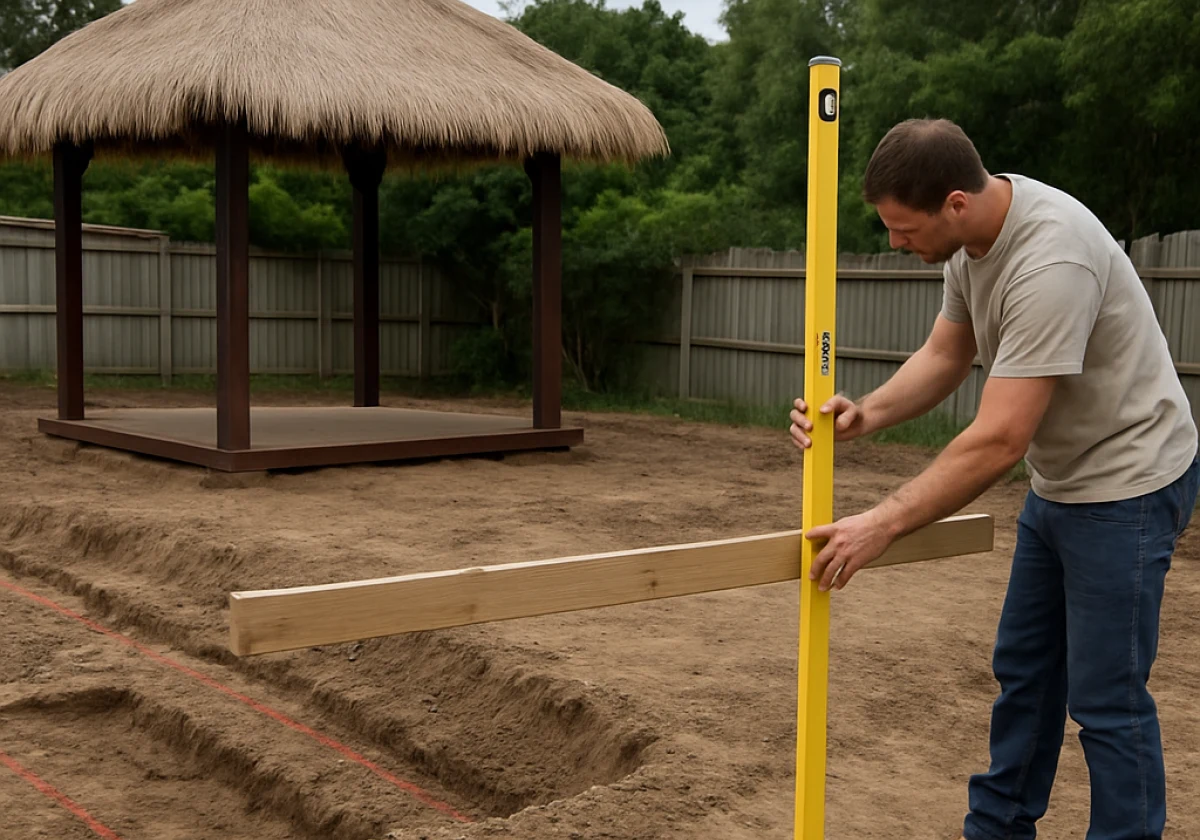
  • Start with a solid foundation: Begin with a level base using decking, pavers, or treated timber. A solid foundation prevents your office shed from shifting and stops moisture from collecting underneath. Plus, it adds long-term stability. If your base is well-drained, it reduces the risk of water pooling after rain.
  • Set up safe and reliable power sources: Thinking about how to power your setup safely? Run electricity with a weatherproof extension cord or hire an electrician to install an outdoor socket. In this way, your setup stays safe to use even during rain or humidity. Be sure to keep cables off the ground so they don’t get wet or damaged.
  • Enhance your internet connectivity: A reliable connection keeps your home office shed functional for video calls, emails, and uploads. Boost the Wi-Fi signal with an extender placed near your hut. If needed, use a mobile hotspot as a fallback.
  • Add lighting that works for day and night: Light up your space with solar lanterns or rechargeable desk lamps. These simple decorations keep your workspace usable in early mornings or evenings without needing hard wiring. Mirrors also help by reflecting natural light into the darker corners of the hut.

Our findings show that even small changes like sealing gaps or improving airflow can make your backyard office pod more enjoyable to use. A few thoughtful upgrades go a long way in turning your hut into a space you want to be in daily.

In the following section, we’ll explore the costs of building a backyard office in a Bali hut, helping you plan your budget effectively.

How Much Does It Cost to Build a Backyard Office?

The cost of a backyard office ranges from $5,000 to over $38,000, depending on size, materials, build quality, and whether you go DIY or hire professionals. A basic shed conversion falls on the lower end. But if you go for a custom-built structure with premium finishes, it can push the cost much higher.

Let’s break it down clearly so you can plan ahead:

Building Backyard Office with DIY kits

DIY Kits

If you’re good with tools and enjoy weekend projects, a DIY (do it yourself) backyard office pod might suit you. Kits start around $6,995 and usually include walls, flooring, and roofing. You’ll still need tools, insulation, and possibly help for trickier parts. This route works well for smaller spaces or a one-person setup.

Prefab Studios

Looking for something quick and reliable? Mid-range prefab studios range from $10,000 to $20,000, depending on the size and features like double-glazed windows or built-in insulation. For example, adding double-glazed windows can increase the total cost by around $2,000 to $3,000, but they help with noise reduction and temperature control year-round.

These units usually arrive pre-approved to meet building codes, which means less red tape. They’re a great fit for people who want a ready-to-use space without taking on a full construction project.

Custom Builds

When you want something customised to your vision, custom builds give you that flexibility. Prices typically start at $20,000 and can climb beyond $50,000, especially if you’re adding plumbing, larger floor space, or designer finishes.

These are ideal for long-term use and can be designed to blend in with your home’s style or meet very specific layout needs.

Extra Costs to Plan For

  • Electricity connection: Running electricity from your main house to your hut usually costs between $1,000 and $5,000. The final price depends on how far you need to run the cables, how many outlets are needed, and whether trenching or switchboard upgrades are required.
  • Council permits: Permits vary depending on your council. Expect to pay anywhere from $500 to $2,000 to get approval. In Sydney, tighter compliance rules may push fees to the higher end ($1000-$2000). In Brisbane, costs are lower, ranging from $500 to $1,500, due to more streamlined processes. But it’s still essential to apply before starting any construction.

Based on our first-hand experience, we’ve seen prices can shift depending on where you live and the kind of finish you’re after. It’s always smart to get a few quotes and compare.

Think about future needs, too. Will you need heating? Extra storage? Or even space for two people? These small decisions can shift the budget quite a bit. Once it’s built, let’s make sure it stays comfy, no matter the weather.

Keeping Your Backyard Office Comfortable Year-Round

You’ve worked to build your backyard office. Now it’s time to make sure it stays comfortable through both heat waves and cold snaps. With a few smart adjustments, you can stay focused and productive without having to retreat indoors.

These simple changes will help you get through hot summers and chilly winters with ease. Here’s how to keep things comfortable year-round in your backyard Bali-hut office:

Cool It Down in Summer

  • Start by letting air move freely: Good ventilation is your best friend on hot days. If your hut has adjustable sides or open gables, let the breeze through to keep things fresh. Position your workspace near airflow paths for better results.
  • Bring in fans that do more than spin: Outdoor pedestal fans or evaporative coolers circulate air and lower the surrounding temperature. Some misting models can drop the air temperature by several degrees and create a calm, breezy vibe. Place them where they won’t blow directly into your face while working.
  • Add external shade: Try hanging shade sails, using a freestanding umbrella, or positioning your hut near trees. Light fabrics reflect sunlight and reduce interior warmth. This also helps protect furniture and electronics from overheating.

Keep It Warm in Winter

  • Seal gaps with weather strips: Add weather strips to door and window edges to stop chilly air from creeping in. It’s a quick weekend fix that keeps the warmth inside. Pop a draft stopper along the bottom of the door for good measure. You’ll notice the temperature difference fast.
  • Use a safe space heater: Compact ceramic or oil-filled heaters are great for a small space like your office shed. Choose one with a thermostat or timer so you’re not roasting yourself or running it all day. Then, place it under your desk or near your feet for extra comfort where you need it most.

One of our clients in Sydney converted their Bali hut into a two-person backyard office pod. After we helped them add insulation and seal gaps, they told us it was “comfier than working from the house in winter.” Even on a 10°C day, they stayed warm with just one small heater on low.

Comfort can make or break your workday. And let’s be honest, no one’s doing their best work when their toes are frozen.

Up next, let’s look at smart outdoor hacks that make your Bali hut even more efficient and enjoyable to use

Outdoor Hacks to Enhance Your Bali Hut Experience

A Bali hut already adds style to your backyard, but using some outdoor hacks will make it work harder for you. Outdoor ideas help you add comfort, keep things organised, and make daily use feel effortless. You don’t need a full renovation. Using some smart touches can make your life smoother.

With the right setup, your hut can go from “nice to have” to “can’t live without.” Use these outdoor hacks to enhance your Bali hut experience:

  • Lay down an outdoor rug to define your space: It adds comfort underfoot, protects your flooring, and makes the area feel more intentional. Choose one with UV protection so colours won’t fade too quickly. Rugs also help reduce glare from shiny decking and create a warmer, home-like feel. 
  • Mount a vertical organiser behind your seating: Hang lightweight pouches or small buckets for tools, glasses, or snacks. You’ll have what you need right there, without hunting for it. It also frees up floor space and prevents clutter from building up on tables. Look for weather-resistant materials like canvas or mesh that can handle exposure.
  • Switch to cordless lighting: Battery-powered puck lights or stick-on LED strips are great for night use. They’re easy to install and make the space usable well past sunset. Some models come with remote controls or timers, so you can manage lighting without having to get up. They’re ideal for both mood lighting and task lighting.

Pro Tip: Store your most-used items in a waterproof, lidded container under a seat. It keeps things tidy and protected, especially during unexpected rain.

If your hut feels easy to use, you’ll find yourself in it more often. These hacks are designed for you to reduce stress and increase enjoyment.

Make Your Backyard Work Smarter for You

Your Bali hut is a flexible space that can be changed into something practical and uniquely yours. You might turn it into a calming place for yoga, a focused work zone, or a fun area where the kids can unplug and play. Create it based on what suits your life best.

We’ve covered everything from layout ideas and cost breakdowns to smart hacks and seasonal comfort tips. Each of these upgrades is simple, flexible, and proven to work. Now it’s your turn.

Head over to Georgia Wiseman and explore how we can help you unlock the full potential of your outdoor space. If you’re looking for fresh inspiration, design tips, or hands-on help to shape the space your way, you’ll find the right support and ideas to kick things off.

Change your backyard into a space that works, plays, and grows with you. It all begins here.

Read More

Bali Hut vs Pergola: Which Outdoor Feature Is Right for You?

Bali Hut vs Pergola: Which Outdoor Feature Is Right for You?

If you’re looking to add an extra feature to your backyard but aren’t sure if a Bali hut or a pergola is the better choice, you’re in the right place. Many people feel stuck at this stage because the two can appear similar at first glance. But trust us, they bring very different vibes to your space.

Bali huts have that tropical, getaway feel with their thatched roofs. Pergolas are more open and modern, usually built from timber or metal. One feels like a retreat, the other works more like an outdoor room you can use every day.

In this guide, we’ll share our insights to help you pick the one that suits your backyard best. You’ll learn how Bali huts and pergolas compare in terms of design, cost and upkeep. We’ll also pass along styling tips to help you match your choice with your space and lifestyle.

Ready to get started? Let’s find the right outdoor structure for you.

Outdoor Structure Comparison: Bali Hut vs Pergola

When comparing a Bali hut vs. a pergola, it helps to break it down into parts that matter in everyday use. Both structures offer unique aesthetics and functions, serving different needs and outdoor styles.

These two outdoor structures do different jobs, and choosing the right one can save you stress, money, and future regrets. Here’s how Bali hut and pergola stand out in real life:

Design and Style

Bali huts feel like a tropical escape. Their thick thatched roofs and timber frames create a relaxed, resort-style vibe. You’ll feel like you’re on holiday the moment you walk outside. They stand out in gardens that lean towards natural, organic, or coastal styles.

Pergolas have a more modern, clean look. Their open slats and straight lines suit newer homes or minimalist spaces. You can dress them up with plants or lights, or keep things simple. Think of them as the little black dress of outdoor structures (classic and easy to style).

Outdoor Structure Comparison: Bali Hut vs Pergola

Shade and Comfort

Outdoor Bali huts give solid shade. Since the thick roof blocks out the sun and rain, the space stays usable in all seasons. The natural thatch keeps it cooler on hot days and creates a true shelter.

Unlike Bali huts, a backyard pergola offers partial shade. It’s great for airflow and light, but won’t block rain unless you add a canopy or climbing plants. It’s a good choice if you like the feel of filtered light and an open-air layout.

Materials

Builders usually use hardwood and natural thatch (like Alang Alang grass) to make Bali huts. These materials look amazing, but they need regular care to stay in top shape.

But pergolas are built from treated timber or powder-coated steel. These materials are durable, low-maintenance, and easy to clean. These are great if you want to build it and forget about the maintenance for a while.

Durability

Another advantage of pergolas is that they’re more durable. They last a little longer than Bali huts. Pergolas hold up in harsh weather because the materials are strong and treated to resist damage. A quick wash and a coat of paint every few years usually keeps them looking fresh.

On the flip side, Bali huts need more regular maintenance. The thatch wears out faster, especially in windy or wet areas. You’ll likely need to replace it every 5 to 7 years to keep things looking good.

Council Rules and Setup

In our experience, it’s usually easier to get a pergola approved. Many local councils allow small pergolas without a permit, especially if they’re under 10 square metres. Always check your local rules first, though.

Bali huts can be trickier. The tall roof and natural materials might need special approval, especially in suburban areas. It’s worth talking to your council before you start building.

Versatility and Fit

A backyard pergola fits into almost any style, like modern, classic, or somewhere in between. You can use it for dining, lounging, or growing vines. However, Bali huts are more niche. They’re perfect near a pool or in a garden with a tropical or resort-style theme. They don’t suit every yard.

We’ve seen many clients choose pergolas for their flexibility and clean look. Bali huts, though, tend to win hearts when someone wants their space to stand out. And hey, not everyone wants their garden to look like everyone else’s.

If you’re imagining how this would look in your space, let’s talk styling next.

Easy Landscape Ideas for Backyard Integration

Not sure how to style your new outdoor structure? We’ve got you covered. Below are simple backyard landscape ideas to help you bring a Bali hut or pergola to life, without needing a design degree or a massive budget.

Landscape Ideas for Bali Huts

If you’re going for a resort feel, start with a timber deck or stone base. Add bamboo fencing, tropical plants, or even a small water feature to complete the look. Hang soft lighting or lanterns to make it cosy at night. Outdoor Bali huts are perfect near pools or in tucked-away corners where you want a private escape. Check more ideas for your Bali hut in this article.

Landscape Ideas for Pergolas

Landscape ideas for Bali Huts

Keep it modern and functional. Use pavers, gravel, or raised garden beds to create structure. Train climbing plants like bougainvillea or jasmine to soften the lines. Add seating and shade cloth if needed, and you’ve got an instant outdoor lounge. It works beautifully in backyard design, small settings, because you can build upward, not outward.

A good trick? Use outdoor rugs or low shrubs to frame the space. This makes the area feel intentional, not just tacked on. Add planters in corners and soft seating to anchor the layout.

If you’re not sure where to start, try using an app for landscaping design. Two popular options are:

  • iScape: This app allows you to visualise your landscaping project directly from your mobile device, offering both 2D and 3D design capabilities. iScape is available for Android and iOS, with a free version to get started.
  • Ecogarden Design: Ecogarden Design is a free, web-based 2D landscape design tool that empowers you to design your garden without needing to sign up. It’s accessible on various devices and is particularly useful for creating ecological landscape designs.

With styling sorted, now let’s see what these structures will cost you.

How Much Do Bali Huts and Pergolas Cost?

Bali Hut vs. Pergola cost

Before you start building, it helps to know what you’re in for financially. Both bali huts and pergolas can look amazing, but the price tag (and what’s included) can vary a lot. Let’s break down what you’re paying for and what kind of upgrades can stretch your budget.

Bali Huts

Bali huts usually start around $3,300 for small DIY kits. Larger, custom-built ones with premium timber and thatch can easily hit $6,000–$10,000 or more. The thatch and hardwood materials look great, but are pricier. And you may need to replace the thatch every few years.

  • Thatch Roofing: Alang Alang thatch costs around $16.95 per 2.5-metre length. African Cape Reed tiles are about $33.95 each. These give the hut its island vibe, but keep in mind you may need to replace the roof every 5 to 7 years, depending on your climate.
  • Timber Frames: Timber frames for Bali huts are made from treated pine or Australian hardwood. Treated pine is the more cost-effective choice and offers basic durability. Australian hardwood, on the other hand, is more expensive.

Pergolas

Low-cost pergola options start around $2,000 for basic timber or steel kits. These are DIY-friendly and popular for simple shade or plant support. But if you’re after a custom build with roofing, lighting, or privacy panels, expect to spend between $10,000–$18,000.

  • Timber Pergolas: Treated pine is the go-to material for most entry-level pergolas and typically costs between $5 and $25 per square metre. They’re budget-friendly and easy to maintain. For a high-end look, hardwood options are available but pricier and need more upkeep.
  • Metal Pergolas: Pergolas built with aluminium or powder-coated steel are priced around $20 to $30 per square metre. These materials are low-maintenance, weather-resistant, and work well for modern or minimalist designs. Metal pergolas are often chosen for their clean lines and structural stability.
  • Roofing Materials: Colourbond steel is a common choice for pergola roofing, starting at approximately $18 per square metre. Polycarbonate sheets are another option, with prices varying depending on UV protection and thickness. These roofing choices help you control how much light or rain gets in.
  • Additional Costs: Professional installation can cost $50–$80 per hour. Add-ons like retractable canopies, integrated lighting, or decorative screening will increase your total but can make the space much more usable year-round.

One of our clients in Brisbane started with a basic pergola kit. A few months later, they added a canopy, some string lights, and a few plants. Now it’s their favourite place to eat dinner and relax. Starting simple gave them room to improve the space over time without blowing the budget.

Next, let’s look at how your lifestyle can help you make the final choice.

Choosing Based on Your Lifestyle

Choosing between a Bali hut and a backyard pergola depends on how you live. Are you looking for a private escape or a flexible, open space? Do you want your backyard to feel like a retreat or part of your everyday routine? Think about how you already use the space. This is often the easiest way to decide what will work best.

Bali hut vs. Pergola

Still unsure? Try answering these out loud:

  • Do you prefer tropical and bold, or neat and modern?
  • Do you want low maintenance, or don’t mind putting in the work?
  • Is your yard mainly for quiet time or the whole family?

If you leaned toward the first option each time, a Bali hut might be your match. If the second answer felt more like you, a pergola will probably fit better.

Pro tip: Spend a weekend in your yard before deciding. Watch where the sun falls. Notice where you sit or relax. Let the space tell you what fits.

Over time, we’ve found that the best outdoor structures are the ones that match how people live, not how they think they’ll use the space. The more a structure fits into your daily life, the more value it brings. So, it should feel like something you enjoy.

Take a moment. Be honest. Then go with the one that feels like home.

Your Backyard, Your Signature Space

You’ve explored the look, feel, and function of both Bali huts and pergolas. One brings a slice of the tropics to your home. The other offers flexible, stylish coverage that works with almost any backyard layout.

We’ve looked at costs, weather suitability, and how these structures fit into real life. Now it’s your turn. Take what you’ve learned and match it to how you live. Don’t worry about how the pictures look, but think about how you want to spend time outside.

Ready to take the next step? Our team at Georgia Wiseman can help you plan and build the perfect outdoor structure that fits your style, budget, and your everyday life.

Start planning your backyard upgrade today. You deserve a space that feels right.

Read More

Eco-Friendly Options for Bali Hut Upgrades

Eco-Friendly Options for Bali Hut Upgrades

A Bali hut is a slice of the tropical lifestyle in your own backyard. These open-air shelters calm any outdoor space, allowing you to slow down, breathe, and enjoy your surroundings. You can drink tea, read, or sit with friends. A hut makes the day feel calm and easy.

Most importantly it creates a mood. It’s like stepping into your own tropical paradise without hopping on a plane. A well-designed one goes well with nature, adds beauty to your garden, and offers real comfort.

This guide is all about building or upgrading your hut using eco-friendly ideas and materials that support a more natural, peaceful retreat.

Let’s take a closer look at how to do that, one thoughtful upgrade at a time.

Making the Right Call on Your Thatched Roof

The right roof for your Bali hut affects how it holds up to weather, how cool it stays, and how much time you’ll spend on repairs. Choosing wisely helps you avoid hassle and keeps your space looking great with less work.

You can keep your Bali hut roof looking natural without using materials that are harsh on the environment. Here are some better choices worth considering:

  • Synthetic thatch looks the part, but it’s usually made from plastic. It won’t break down over time and often needs chemical treatments to handle UV exposure. This can raise health concerns, especially if you collect rainwater or spend long hours under the roof. It’s also prone to fading and cracking after a few seasons.
  • Alang grass, a popular traditional thatch in Bali. It’s grown locally and hand-cut. It gives a soft, authentic texture to nature. Alang grass needs a yearly check-up and may need small repairs, but it’s more sustainable if you buy it from local, trusted sources. It also smells pleasant after rain and doesn’t trap heat like synthetic alternatives.
  • Bamboo panels are strong and lightweight. They create a sharper, cleaner roofline and last longer than most grasses when sealed well. Bamboo sheds less debris, so your space stays tidier during storms or windy days. It’s also less attractive to insects, reducing long-term maintenance.
  • Reclaimed palm wood tiles give a natural, rustic finish. They’re UV resistant and usually treated without toxic chemicals. These tiles often come from older plantations, so you’re using material that would otherwise go to waste.

Tip: Ask for material safety info when buying. Some imported materials are treated with chemicals that aren’t allowed in many places. Choosing eco-friendly materials from trusted sources keeps your hut safer and more in line with sustainable practices.

Going Green with Natural Grass

Going Green with Natural Grass

Grass brings cooling benefits, softens hard edges, and adds texture around your Bali hut. For anyone wanting a simple, eco-friendly upgrade, this is a solid place to begin.

Here are a few ways to use it well:

  • Natural grass around your hut helps cool the space. It acts as a buffer against heat, keeping the area underfoot significantly cooler on warm days. If your hut is near concrete or tiles, grass can help keep the area cooler by blocking heat from the ground.
  • Grass roofing or green walls can insulate your hut. These options help trap cool air inside and block heat from the sun. They also create a natural look that suits Bali-style settings. Just make sure the structure can support the weight, and use liners that stop moisture from leaking through.
  • Low-water grasses are ideal for hut surrounds. Native grasses like Zoysia and tall fescue don’t need much water. They are easier to look after. These varieties hold their colour better through dry periods and don’t need frequent mowing. 
  • Grass matting is great for easy installation in outdoor areas. You can lay it around paths or sitting areas where you want softness without committing to full turf. It’s also easy to lift and replace, which makes maintenance simple over time.

Using natural grass elements creates a comfortable, barefoot-friendly zone around your hut. It softens the look of the yard while helping your hut suit more naturally with the surroundings.

What Coconut Trees Add to Your Bali Hut

Coconut trees are one of the most practical plants you can add near a Bali hut. They grow tall and offer wide, natural shade that lowers the temperature in your outdoor area. That means fewer fans, less direct sun, and more time relaxing outside in comfort.

The benefits go beyond comfort. Coconut trees add structure and shape to your garden. Their long trunks can be harvested after maturity and reused as timber for decks, benches, or low fences. The wood is strong, light, and has a unique texture that suits tropical design.

What’s left after harvest is also usable. You can use shredded coconut husks as mulch to keep the soil damp and stop weeds from growing. The leaves can also be dried and used for small roofing jobs or handmade projects if you like to get creative.

Coconut trees grow best in full sun with well-drained soil. Once they settle in, they rarely need extra care beyond occasional pruning. This makes them a smart option for those looking to enhance their space while keeping the environment in mind.

Remember, adding coconut trees is about shaping your outdoor space with purpose. It reduces reliance on artificial features and celebrates the natural beauty already around you.

Tip: Reuse food scraps or garden waste to create compost around the tree base. This supports healthy growth and ties into broader sustainable practices that align with the core values of low-impact living.

Smart Ways to Build a Bali Hut Near Rice Fields

Building a bali hut near rice fields is a dream for many. The views are open, the breeze is steady, and the green stretches out in every direction. But these spaces also come with responsibilities. Thoughtful design can protect the land, keep your Bali hut stable, and make your time there more relaxing.

Here are smart ways to build that work with the land:

  • Use short stilts to raise your hut slightly above the ground. This prevents water damage during the rainy season and keeps airflow moving beneath the structure. It’s a common method in traditional Balinese homes and still works well today.
  • Choose open designs that preserve the view. Use wide sliding doors, large windows, or retractable panels to connect your space with the surrounding rice paddies. A clear view helps the space feel calm and makes the hut look bigger without taking up more room.
  • Avoid heavy landscaping or hard surfaces near the edge of rice fields. Hard surfaces can block water and harm nearby watering systems. Try using gravel, open decks, or soft native plants to keep the area easy to walk through without stopping water from draining naturally.
  • Use sustainable building practices that suit the climate. Think bamboo framing, breathable walls, and natural shading. These choices help your hut blend in and reduce long-term impact on the environment.
Bali Hut Near Rice Fields

Well-placed huts reflect a deeper respect for the land. Done right, they can increase property value while supporting a more eco-friendly lifestyle rooted in tradition and care.

Eco-Friendly Add-Ons for Your Bali Hut

Making your Bali hut more eco-friendly doesn’t always mean big renovations or expensive tools. Some of the easiest upgrades make the biggest difference. These small changes add comfort and help your hut use less energy and water.

You might start with just one or two changes and see how they improve your space. Even small details like lighting or furniture choices can bring a peaceful, natural vibe to your Bali hut.

Let’s explore some of the add-ons that you can use.

Solar Lights and Natural Airflow

Solar lights are great for walkways and outdoor seating. Choose smaller lights with soft tones for a warm look. Motion sensors or dusk-to-dawn settings work well. To let fresh air move through your hut, leave two sides open or use slatted wood panels. Lemongrass or citronella plants nearby keep the air fresh and help keep bugs away.


Sustainable Living

Bamboo and Recycled Furniture

Look at what you already have. Old chairs and tables can often be cleaned up or painted for outdoor use. Bamboo is light, strong, and works well for outdoor benches and side tables. You can also find second-hand pieces made from recycled wood. These choices are better for the planet and still look great.

Water-Saving Ideas

Use a low-flow tap head to cut down water use. You can also connect a simple rainwater barrel to a small shower or rinse area. Add some stones or plants nearby to soak up the extra water. This setup keeps your yard clean and uses less water without needing much effort.

Reuse and Recycle Materials

Old tiles, wood pieces, and broken pots can be turned into garden borders or small paths. Stay away from materials that smell strongly or have labels about chemical treatments. If you’re not sure, ask where the item came from. Clean, untreated pieces are the safest to reuse because they won’t release harmful chemicals into your garden or air.

Make It Your Perfect Place

Your Bali hut should feel like your favourite spot to relax. You might use it for morning coffee, afternoon reading, or having friends over. Small details can make it feel just right.

Here’s how to bring it all together:

  • Choose materials that feel natural and soft. Bamboo, cotton fabrics, and light timber create a calm look that works well with Bali-style huts. Add throw pillows, rugs, or even a soft daybed for comfort.
  • Use simple DIY touches. You don’t need to buy everything new. Refinish an old stool, hang some string lights, or build a shelf from leftover wood. These small changes make the space feel more personal.
  • Pick outdoor furniture that suits the space. Low lounge chairs, foldable tables, or built-in bench seating can save room and keep things tidy. If you have a pool or open yard nearby, go for water-resistant cushions and materials that hold up in the sun.
  • Add plants and natural features. Use large pots or hang trailing plants from the roof edge. This brings in more nature and adds colour. Try placing your hut near tall palms or in a corner with shade to stay cool during hot afternoons.
  • Keep the layout open and simple. You want room to move and space for guests to sit and relax. Think of it like a mini outdoor living room that brings together the best of nature and comfort.

These touches don’t need to cost much. With a little time and care, your Bali hut can become a beautiful, low-maintenance spot you enjoy every day.

A Peaceful Home That Helps the Planet

Small upgrades can change how your hut feels, looks, and works every day. Use eco-friendly materials, save water, and reuse what you can.

Eco-friendly choices protect nature and keep your space calm.These ideas also support a more sustainable future. They reflect the core values of thoughtful design and simple living. Using solar lights, planting grass, or reusing old garden items can help make your space feel calm and well put together.

Your hut should feel like part of the land, not something placed on top of it. If it’s built with care, it becomes more than a place to sit. It turns into your favourite spot to slow down, breathe, and reconnect. A Peaceful Home That Helps the Planet.

For more ideas, tips, and eco-friendly upgrades, visit Georgia Wiseman.


Read More

Low-Maintenance Plants to Pair with Your Bali Hut Retreat

Bali hut landscaping

Dreaming of your own relaxing retreat? A Bali hut sets the scene. But to really bring your backyard to life, the greenery around it matters.

The good news is, you don’t need to spend weekends trimming or watering. There are plenty of low-maintenance tropical plants that make an outdoor space feel calm, fresh, and easy to enjoy. These plants help you create a peaceful garden that feels welcoming every time you step outside.

In this guide, you’ll find plant recommendations, layout tips, and simple care advice to keep everything thriving. It all works together to help you build a garden that supports your Bali hut and stays looking good with little effort.

Ready to get started?

Easy Tropical Plants That Always Look Good

You don’t need a complicated setup to make your garden feel like a resort. These tropical plants are easy to manage, grow well in full sun, and add beauty and texture to your outdoor space without a lot of work.

Japanese Banana (Musa basjoo)

This fast-growing plant features tall stems and broad, lush leaves that ripple gently in the breeze. It doesn’t bear edible fruit in cooler regions, but the bold shape and size create instant impact. Placed near your Bali hut, it brings height and a jungle-like feel that sets a strong tropical tone.

Low-Maintenance Plants to Pair with Your Bali Hut Retreat

Why it’s a good choice

  • Grows quickly with minimal care
  • Creates height and structure
  • Works well in full sun

Watch out for

  • Wind damage to leaves
  • Needs space to spread

Alternative
Canna lilies offer a similar lush look and grow well in the sun.

Cordylines (Cordyline fruticosa)

Cordylines have long, colourful leaves that come in shades of red, green, and pink. They add contrast and texture without relying on flowers. Near a Bali hut, they draw attention to walkways, corners, and entrances while giving your garden vibrant colour year-round.

Why it’s a good choice

  • Drought-tolerant once established
  • Bold colours add instant appeal
  • Low pruning needs

Watch out for

  • Colour may fade in harsh afternoon sun
  • Can be mildly toxic to pets if chewed

Alternative
Try Dracaena for a more compact shape with similar colours.

Hibiscus (Hibiscus rosa-sinensis)

Hibiscus brings large, cheerful flowers that bloom for months in tropical gardens. Its soft, round petals and glossy leaves break up harder lines around paved areas or hut decks. While not heavily scented, its colours and shape add energy and brightness to the space.

Why it’s a good choice

  • Flowers in vivid colours like red, pink, and yellow
  • Thrives in warm weather
  • Works on the ground or in containers

Watch out for

  • Occasional pruning needed
  • May attract aphids in spring

Alternative
Bougainvillea provides a similar colour with a climbing habit and fewer pest issues.

Bird of Paradise (Strelitzia reginae)

This plant makes a statement with its upright leaves and striking orange-and-blue flowers. The sculptural form stands out near hut posts or garden walls, giving a clean, modern look. It brings a real sense of tropical beauty without being high maintenance.

Why it’s a good choice

  • Great for full sun and warm climates
  • Adds structure and height
  • Very low maintenance once settled

Watch out for

  • Slow to grow at first
  • Leaf tips can be sharp, so plant away from play areas

Alternative
Strelitzia nicolai (giant bird of paradise) for larger backyards or more coverage.

How to Place Tropical Plants Around Your Bali Hut

Good plant choice makes your garden look great. Smart placement makes it feel that way, too.

When you’re planning your Bali hut landscaping, start by thinking about structure. Use tall, low-maintenance tropical plants like Japanese banana or Strelitzia toward the back of your yard or behind seating areas. These taller varieties help define the space, offer privacy, and give your setup that secluded, tropical retreat vibe. This is especially helpful if nearby homes overlook your backyard.

Next, shift your attention to the entrance of your hut. This is where a splash of colour and softness can make a big impact. Cordylines, hibiscus, and flowering shrubs all work well here. They’re bright, inviting, and don’t take up much room, so you keep things feeling open while adding personality.

To keep everything balanced, use lower-growing plants at the front and space them out enough so nothing feels crammed in. A tidy layout helps each plant thrive and keeps the area visually open. You can also use small plant groupings near seating zones or along the sides to create a natural, shaded feel without overcomplicating the look.

At this point, it’s worth thinking about maintenance. Try to group your plants by watering needs. The Royal Horticultural Society says doing this can reduce outdoor water use by up to 50%. That saves time and keeps your backyard greenery healthier in the long run.

The goal is to build soft layers of colour, shape, and texture that wrap around your Bali hut and make the whole yard feel calm, planned, and easy to enjoy.

Plants That Love the Sun and Don’t Need Much Attention

If your garden gets lots of sun, you’ve got an advantage. These tropical plants offer structure, colour, and reliability with very little upkeep.

Agave (Agave attenuata)

This sculptural plant adds instant beauty with its soft, curving rosette of green leaves. It’s drought-tolerant and thrives in dry conditions where many other plants struggle. Agave looks great planted near a pathway or at the edge of a garden bed to frame the space.

Why it’s a good choice

  • Excellent for full sun and poor soil
  • Extremely low water needs
  • Bold form suits modern and tropical gardens

Watch out for

  • Pointed tips can be sharp, so plant away from play areas

Alternative
Aloe vera offers similar resilience with extra use as a skin soother.

Fountain Grass (Pennisetum setaceum)

This ornamental grass adds soft movement and texture. Its tall, arching stems and fluffy seed heads catch the light beautifully. It handles heat, dry soil, and open sun, making it an easy fit in sunny spots around a Bali hut.

Why it’s a good choice

  • Grows easily in full sun and dry conditions
  • Works well in pots or garden beds
  • Adds softness and motion without clutter

Watch out for

  • Trim back once a year to keep it tidy and under control

Alternative
Lomandra is a hardy, native grass with a more upright shape and similar ease.

Philodendron Xanadu

Xanadu brings compact, rounded form and rich green foliage that stays neat and lush. It works well beneath taller plants or along pathways, helping to fill gaps and balance taller structures near a Bali hut.

Why it’s a good choice

  • Tolerates full sun once established
  • Grows well in shaded gardens and bright pots
  • Helps ground the layout with tidy, lush coverage

Watch out for

  • Needs well-drained soil to avoid root issues

Alternative
Try Zamia furfuracea (Cardboard Plant) for a slower-growing option with thick leaves and excellent drought resistance.

Keeping Your Garden Green All Year Round

Tropical gardens aren’t only for summer. With the right combination of plants and a few smart choices, your backyard can stay full of colour and texture all year round.

Start with reliable greenery. Plants like Philodendron Xanadu, Cordylines, and Agave hold their shape and colour through winter and into early spring. These make the garden feel alive, even when other plants slow down.

Use mulch to protect the soil, reduce weeds, and lock in moisture. It helps during dry months and shields roots during the colder parts of the year. This simple step makes a big difference in overall garden maintenance.

Give each plant the space it needs to grow strong. Overcrowding leads to problems, especially during times of stress like extreme heat or heavy rain in fall.

Many pro gardeners suggest combining hardy feature plants with fast-growing fillers. This keeps the garden looking full early on and helps create a balanced environment that supports healthy new growth through every season.

Once your garden is taking shape, it’s time to add the feature that makes it truly special. A well-built Bali hut ties the whole setting together. And when it’s backed by a 20-year warranty on frames and posts, like those from Georgia Wiseman, it becomes more than just decoration. It’s an investment in long-term comfort and style.

Read More